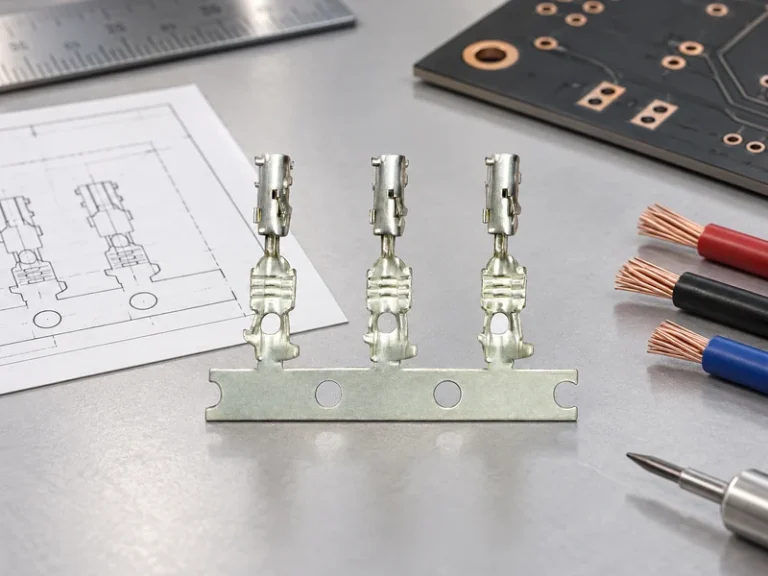


When a harness engineer in Pune checked a fleet prototype’s 12 V power connection, she replaced a service cover and saw an intermittent no-start fault before the vehicle left the bay. The review found that the cover opening, terminal profile and service process had been specified independently; once the team sized protection around the installed connection, the fault stopped recurring.
Summary: This protective component is a clearance, insulation and retention decision—not a generic cap to add after the cable is built. Match it to voltage architecture, post geometry, cable exit and exposure; identify whether the system is 12 V, 24 V or higher-voltage auxiliary, then validate the mated assembly with the applicable SAE/USCAR-2 or IEC 60512 test approach. Buy a documented interface, not unrelated parts.
Battery connections face high current, moisture, vibration and maintenance access. For automotive procurement, Tier-1/Tier-2 engineering, EV sourcing, harness teams and aftermarket distribution, a controlled interface prevents avoidable rework and service ambiguity.
Protection types, interfaces and sizing logic
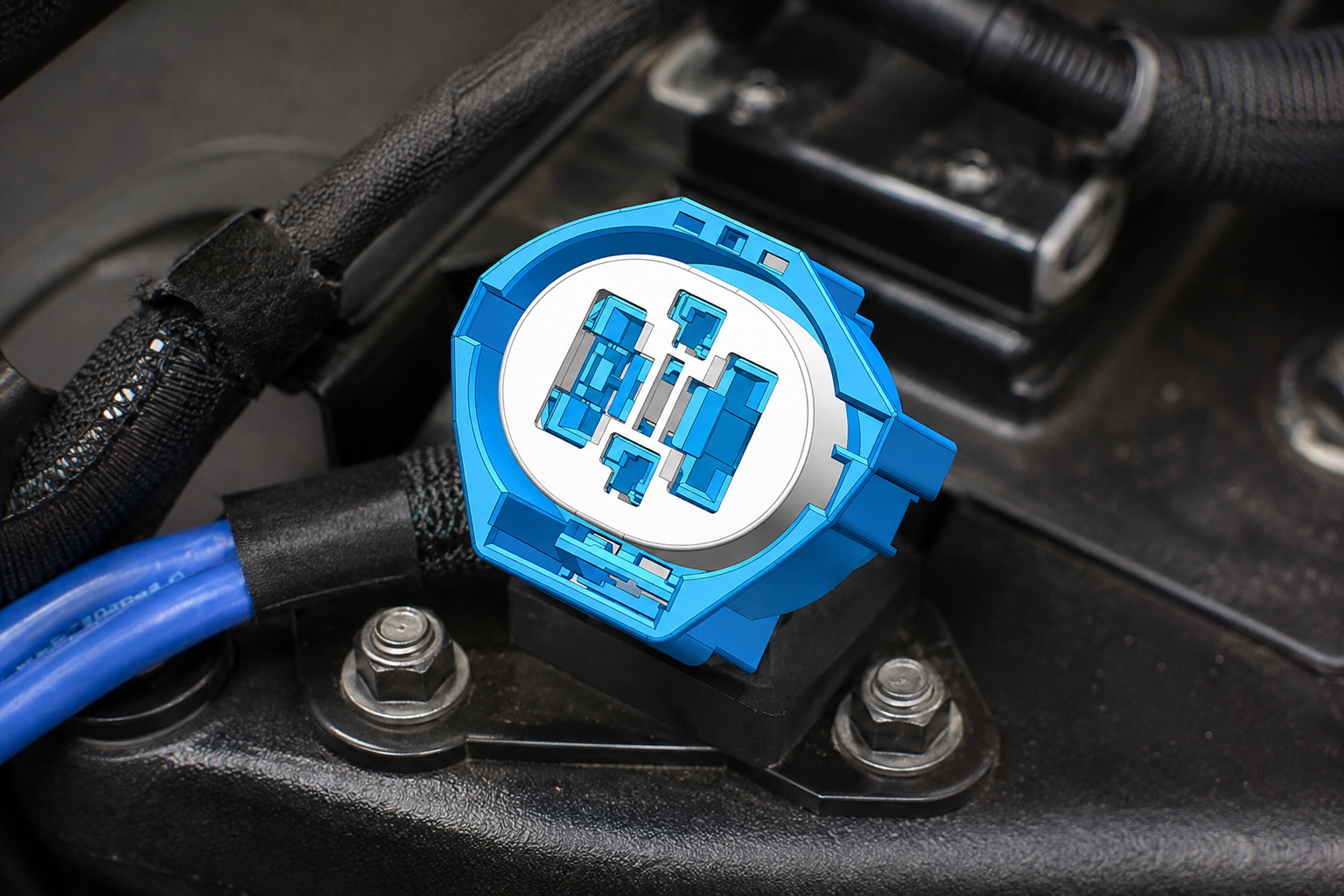
Protection may be an insulating boot, hinged cover, molded housing, sleeve or integrated shroud. Select it against the real conductive envelope—terminal body, crimp barrel, cable transition, post or stud, and reachable area after mating. A cover that fits an unmated part can still interfere with a nut, tool or cable bend.
For a conventional top post battery terminal, measure the post, clamp, cable outside diameter and tightening clearance. Do the same for stud-mounted and high-current copper-bar interfaces. SAE/USCAR-2 is an automotive connector performance-test reference; it does not make a loose cover suitable for every vehicle program.
| Protection approach | Best-fit interface | What to confirm | TCO consideration |
|---|---|---|---|
| Flexible insulating boot | Serviceable clamp or lug | Cable OD, recovery, tear resistance and tool access | Lower part complexity, but poor fit can increase rework |
| Rigid or hinged cover | Post, stud or fuse-adjacent joint | Latch retention, opening direction and clearance when closed | Can reduce accidental-contact returns when properly mated |
| Integrated terminal housing | Harness-controlled connector interface | Keying, CPA/secondary lock, sealing path and terminal position | More controlled assembly; higher change cost if geometry shifts |
| Shielded high-current enclosure | Copper terminal or busbar transition | Creepage/clearance design, heat path and service isolation | Protects a costly interface but needs system-level validation |
A battery terminal shim may be used where an approved service procedure calls for adapting a worn or mismatched post interface, but it should never disguise a clamp that cannot achieve reliable contact. Treat it as part of the assembly stack-up: a shim changes the clamp position and can alter the room available for a protector. Record it in the service bill of materials and verify the post-to-clamp interface after torque is applied.
Selecting Battery Terminal Protector by environment
Select the protective cover against exposure, not merely battery type. Condensation, road splash, acid vapour, salt, dust and wash-down affect material, drain direction and sealing geometry. For 12 V or 24 V systems, confirm direct-contact protection and moisture escape; for higher-voltage assemblies, follow the defined electrical-safety architecture.
Use the duty cycle to set the test plan. SAE/USCAR-2 and IEC 60512 can inform vibration, temperature-cycle, operation and contact checks, but program requirements define the sequence and acceptance criteria. Do not approve a salt-exposed fleet terminal from a room-temperature fit check alone.
| Operating environment | Specification focus | Validation prompt | Common hidden cost |
|---|---|---|---|
| Passenger-car under-hood | Heat, fluid resistance and service access | Does the cover retain after thermal and mechanical cycling? | Field replacement time caused by a difficult opening path |
| Commercial vehicle or fleet | Vibration, splash and repeated service | Does the cable exit avoid rubbing against nearby hardware? | Downtime from intermittent power faults |
| EV low-voltage auxiliary circuit | Packaging near control hardware and diagnostic access | Can a technician identify and service the interface safely? | Harness rework after late packaging changes |
| Aftermarket replacement | Variation in post and cable geometry | Is the intended fit range documented, including any shim? | Returns due to an apparently compatible but unstable fit |
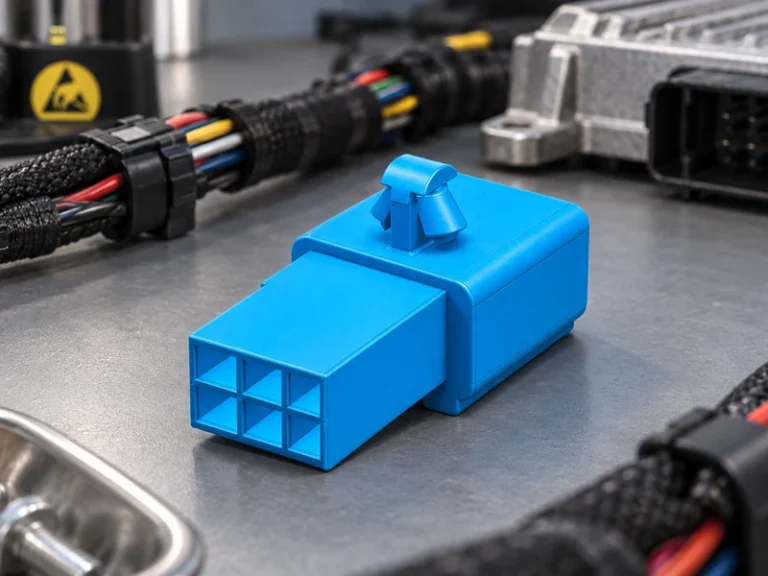
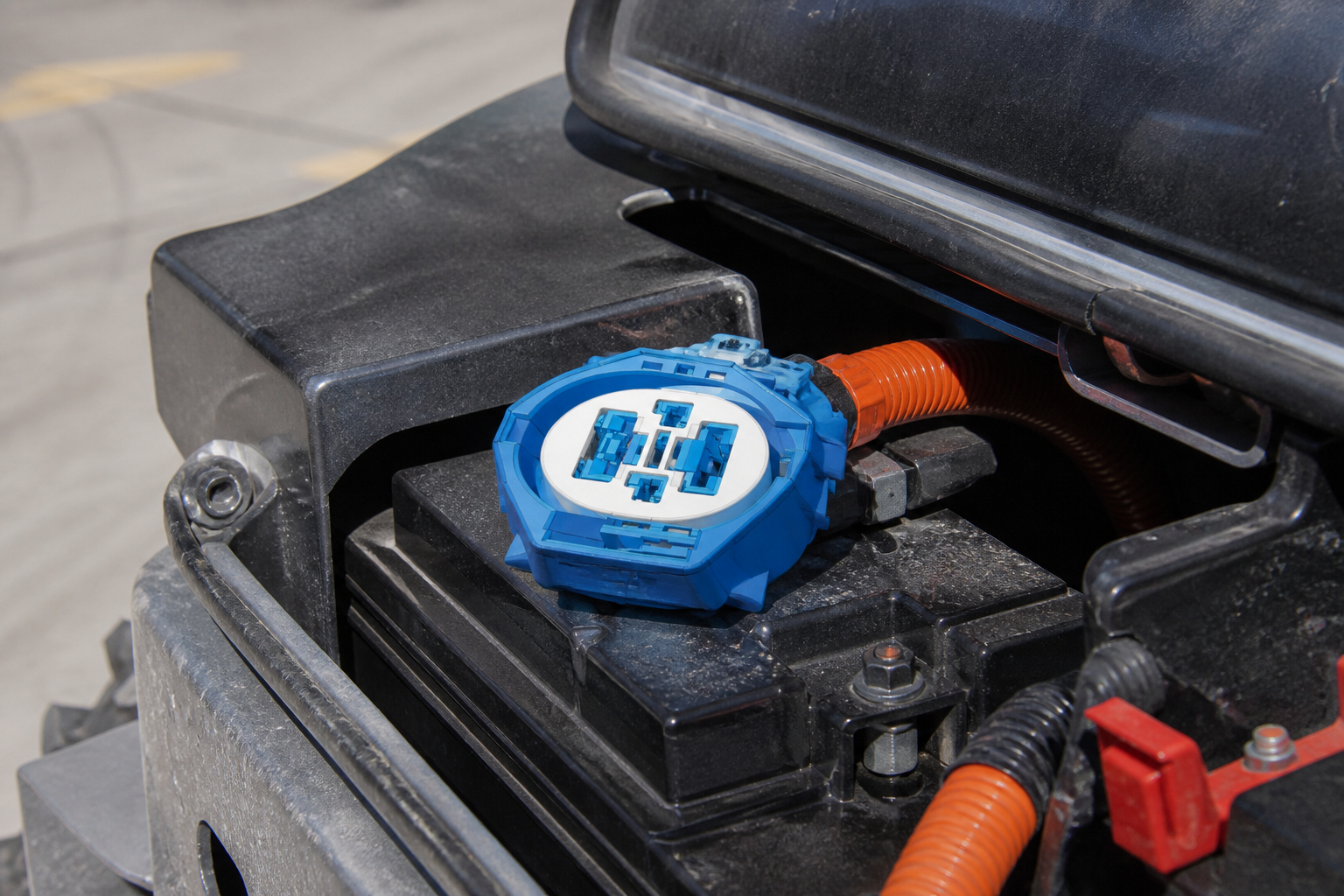
Automotive connector applications illustrate why harness routing and access matter as much as terminal shape.
Mating compatibility for Battery Terminal Protector
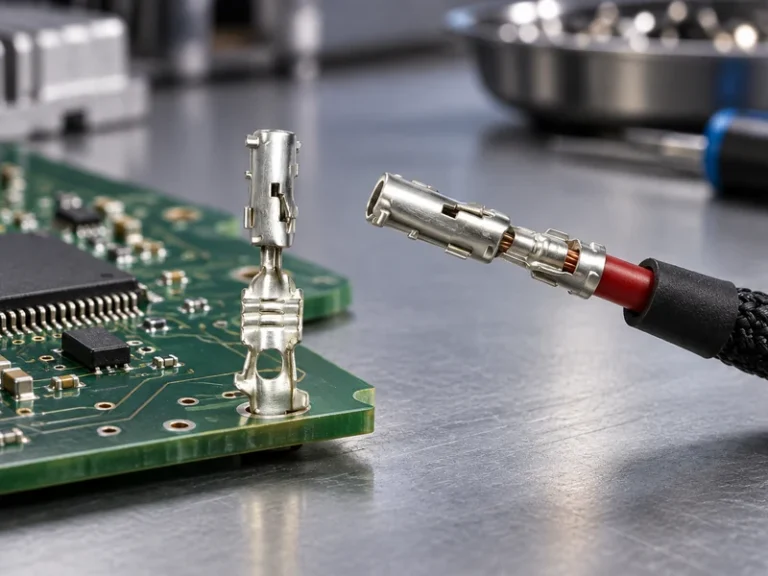
Confirm terminal plating, conductor range, crimp dimensions, cable bend radius, post or stud profile, fastener stack, cover latch and service tool. On a top post battery terminal, a narrow throat may look secure until the cable rotates; on a stud connection, an omitted washer or nut height can cause the same problem.
Request drawings, material identification, mating-part references and relevant test evidence. An alternative cover for a regional service variant still needs interface review; a low unit price loses value if it drives harness revision, line stoppage or warranty diagnosis.
Battery Terminal Puller specification checklist
A battery terminal puller is a service tool, not a substitute for release clearance designed into the electrical interface. Specify the post or clamp profile, jaw reach, contact surfaces, controlled force direction and surrounding clearance. The tool should remove a corroded or tightly seated terminal without levering against a battery case, deforming the clamp or tearing the installed protector.
- Identify whether the tool is for a taper-fit clamp, a studded joint or another documented interface.
- Check that its jaws can reach the terminal with the protector opened in the intended service position.
- Define whether the protector is removed, hinged aside or retained during service; avoid ad-hoc prying.
- Include the tool path in prototype and serviceability reviews before freezing the harness drawing.
Installation and inspection of Battery Terminal Protector
Confirm the approved terminal, cable and battery interface before installation. Isolate the circuit by the vehicle procedure, inspect the post or stud, then use the vehicle or terminal supplier’s specified torque and sequence. Route the cover over the intended live area without pinching insulation or blocking inspection.
Inspect cover retention, latch engagement, cable strain and service-tool access. For a battery terminal shim installation, check final clamp position and natural cover seating; list the same battery terminal shim on the service bill of materials. Where vibration matters, use the program’s SAE/USCAR-2-derived or IEC 60512-derived validation plan, not manual fit alone.
Standards, sourcing and compliance boundaries
SAE/USCAR-2 provides automotive connector performance-test requirements; IEC 60512 publishes tests and measurements for electromechanical components. Both help define validation, not blanket product certificates. IATF 16949 is a quality-management-system standard for automotive production and relevant service parts, while ISO 14001 concerns environmental management systems. Applicability depends on market, intended use, customer requirements and sales claims.
Unsupported compliance language can cause a buyer to assume test, material or quality-system scope that was never supplied. Request the relevant report, drawing revision, material information and controls. Wenzhou Shenji, founded in 2010 in Wenzhou, Zhejiang, supplies automotive connectors—wiring-harness sheaths, board-end pins and hardware terminals—plus fuse boxes, sensors, motor connection seats, high-current copper terminals and copper bars. Evaluate project fit through documentation and agreed validation scope, not a general certification claim. Learn more about Wenzhou Shenji.
- Freeze terminal and battery/post geometry before selecting the form.
- Map environment, service action and routing to a documented validation plan.
- Review cover, terminal and mating hardware as one assembly.
Frequently asked questions
What types of battery terminal connectors are used in vehicles?
Vehicles commonly use top-post clamps, side-post arrangements, stud-and-lug joints, enclosed connector systems and high-current busbar connections. The appropriate protection depends on the connection geometry, voltage architecture and required service access. A top post battery terminal should be treated as a specific mating interface, not as a universal shape.
How do you select sealing for a battery terminal connector?
Start with the actual exposure: splash, salt, dust, thermal cycling, chemical contact and pressure-wash conditions require different design choices. Determine whether the design needs an environmental seal, a draining cover or both, then validate the mated assembly through the applicable project test plan. A cover that closes tightly is not automatically a sealed interface.
When should battery terminal puller be considered?
Consider a battery terminal puller when the service procedure calls for removing a taper-fit or tightly seated clamp and access makes hand removal unreliable. Select it together with the terminal and protector so the force path is controlled and the battery case is not used as a reaction surface. If removal is frequent, document the tool in service instructions.
What vibration tests apply to a battery terminal connector?
The applicable vibration test depends on the vehicle program, mounting location, connector family and customer specification. SAE/USCAR-2 and IEC 60512 can provide relevant test methods or reference frameworks, while the program must define the sequence, sample condition and acceptance criteria. Confirm the evidence addresses the complete assembly, including cable exit and retention features.
References and next step
- SAE/USCAR-2-10: Performance Specification for Automotive Electrical Connector Systems
- IEC 60512: Connectors for electrical and electronic equipment—Tests and measurements
- IATF 16949: Automotive quality management system requirements
- ISO 14001: Environmental management systems
The durable choice is the one that protects the real mated joint through production, service and its intended environment. For drawings, connector options or sourcing support for a new terminal-protection assembly, review Wenzhou Shenji automotive connector products and contact the team with your interface and validation requirements.