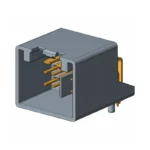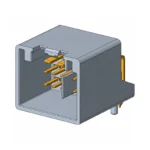


When a quality engineer in Detroit approved a harness revision, the fit-up looked routine; minutes later, a rapid intermittent-start failure appeared on the validation vehicle. The investigation did not end with a defective part: the terminal, seal, and mating geometry had been selected against an incomplete connector specification.
Summary: car wiring harness connectors should be selected as a circuit-and-environment interface, not as a housing-only purchase. SAE/USCAR-2 and IEC 60512 distinguish performance specifications and test methods from a blanket product approval; the recommended action is to lock the circuit, sealing, retention, and verification requirements before releasing the harness drawing.
In an automotive program, a connector carries more than current. It preserves contact force, polarization, sealing, service access, and traceability across the vehicle lifecycle. That makes connector selection a joint task for electrical design, harness engineering, manufacturing quality, and purchasing—not a late-stage substitution exercise.
How Connector Selection Controls Harness Reliability
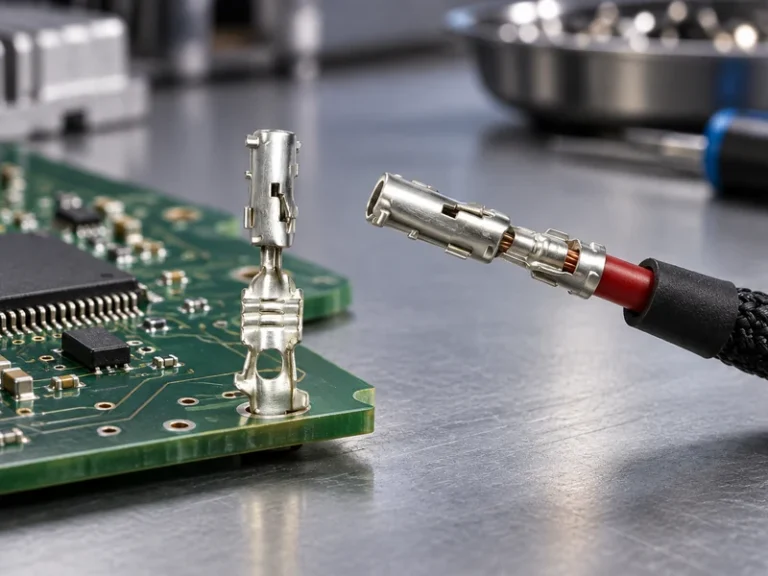
The first question is what the circuit must do. Current path, voltage class, signal sensitivity, wire size, terminal plating, and permissible voltage drop define the electrical interface. A low-level sensor circuit and a higher-load actuator circuit may share packaging constraints while requiring very different contact-system decisions. The engine harness is especially demanding because vibration, fluids, heat exposure, and restricted service access interact at the same connection point.
Specify the interface before the housing
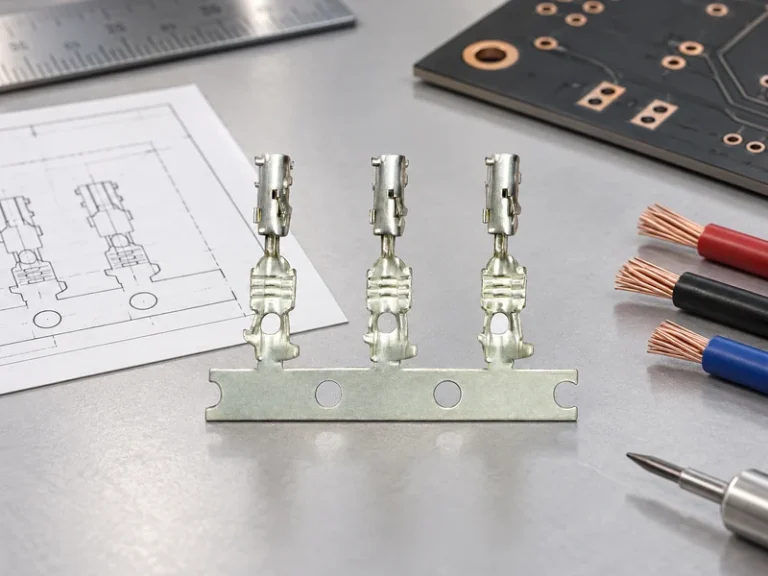
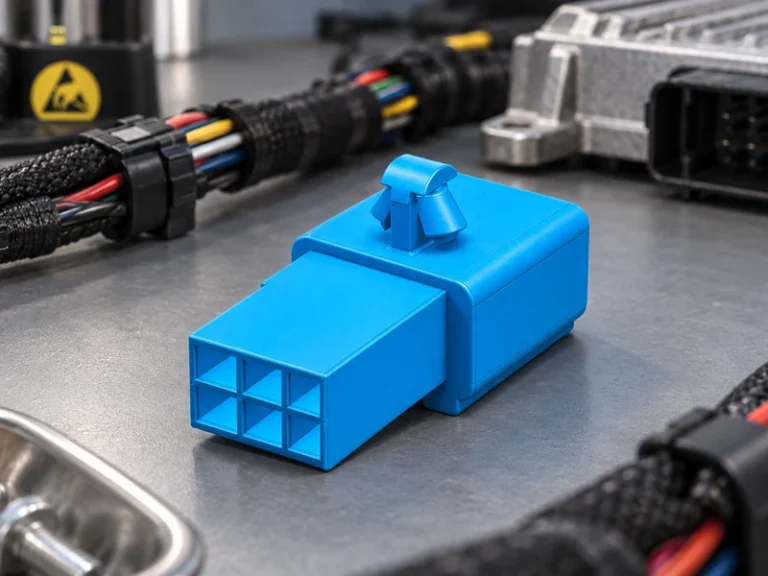
Start with four linked gates: circuit function, conductor and terminal system, mating interface, and operating environment. The housing must provide keying and position assurance compatible with the selected terminals; seals, backshells, clips, and cavity plugs must be defined as part of the assembly. A drawing that names only a connector family can leave room for an apparently compatible but unsuitable combination.
For fit and retention, use the applicable test plan rather than visual confidence. IEC 60512 is a family of electromechanical connector test methods covering relevant electrical, mechanical, and environmental evaluations. SAE/USCAR-2 is commonly used as a performance specification reference for automotive electrical connector systems. Neither reference means that every marketed connector is automatically certified for every vehicle use.
Account for total program cost
The lowest quoted component price can raise total cost if it increases assembly aids, rework risk, field diagnostics, or supply-change validation. Buyers should compare the full installed interface: terminal insertion process, secondary-lock confirmation, mis-mate prevention, seal loading, test-fixture needs, and service procedure. An ignition wiring harness, for example, should be reviewed around its actual routing and system architecture rather than treated as a generic starting circuit. The same review should follow the ignition wiring harness through its actual service and diagnostic access.
The phrase plastic vehicle sometimes appears in search queries, but it is not a technical vehicle classification. Procurement teams should instead identify the actual polymer parts, under-hood or cabin location, substrate interactions, and environmental exposure that affect a connector assembly.
Compare the Interface, Then Map the Application
A comparison framework keeps procurement discussions tied to documented requirements. The tendencies below are selection considerations, not declared ratings or universal product results.
| Decision dimension | Basic interface approach | Environment-focused interface approach | Procurement implication |
|---|---|---|---|
| Sealing | Used where the defined location does not require a sealed interface | Uses a specified sealing system for the defined exposure | Confirm cavity plugs, wire seals, mating seals, and assembly controls together |
| Retention and service | Relies on terminal retention and primary latch | Adds position assurance or service-oriented retention where required | Balance misassembly prevention with repair access and tool availability |
| Packaging | Favors accessible, lower-complexity routing | Prioritizes protection in constrained or exposed routing | Check connector envelope, bend relief, mating clearance, and clip path in CAD |
| Unit-cost tendency | Usually lower part-count complexity | Usually more interface elements and validation dependencies | Compare installed and quality costs, not a housing quote alone |
| Maintenance risk | Depends heavily on location and procedure | Depends on correct sealing and lock verification | Define inspection points and replacement-kit contents before launch |
Application and packaging matrix
| Application area | Primary selection focus | Packaging or assembly check | Evidence to request |
|---|---|---|---|
| Powertrain and engine harness routing | Defined thermal, fluid, vibration, and current conditions | Strain relief, mating clearance, sealing stack, and clip location | Applicable performance plan, terminal data, and assembly instructions |
| Cabin electronics | Signal integrity, keying, serviceability, and build sequence | Panel clearance and connector access after trim installation | Mating drawings, terminal compatibility, and repair guidance |
| EV high-voltage-adjacent routing | System voltage class, interlock architecture, segregation, and destination requirements | Separation, protection, and production error-proofing | System-level requirements and applicable validation evidence |
| Aftermarket repair | Correct vehicle application, terminal system, and installation method | Tooling access and replacement of seals or locks as needed | Cross-reference, fitment evidence, and installation documentation |
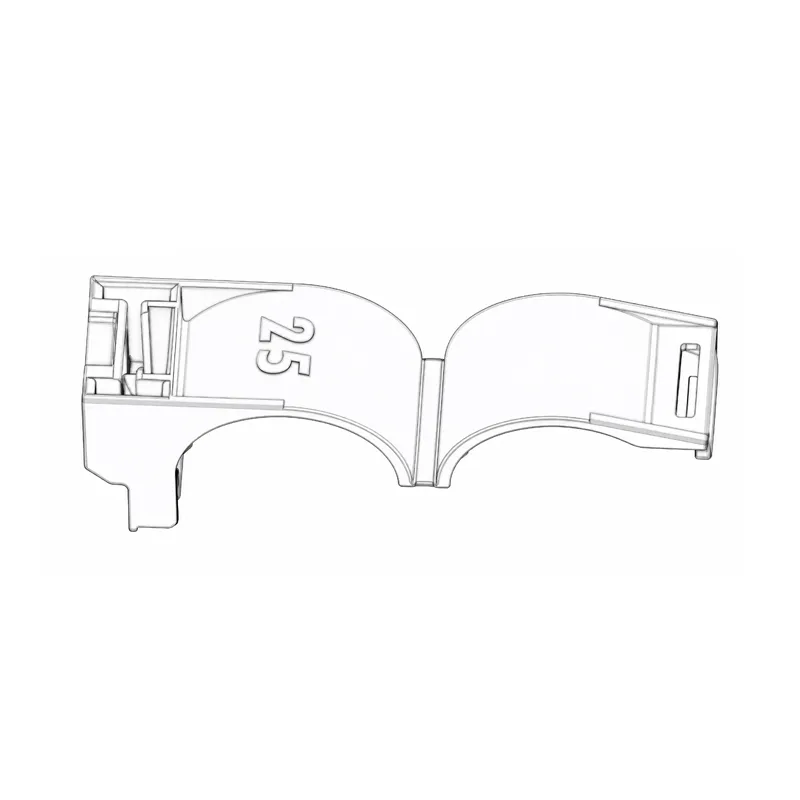
Installation space is not only the width and height of a housing. It includes wire exit direction, minimum practical bend, operator hand access, connector-tool engagement, secondary-lock travel, and the room required to mate and unmate the pair. These constraints should be reviewed against the completed harness, not an isolated component model.
Standards, Compliance, and a Practical Selection Guide
IATF 16949 is a quality-management-system standard for organizations in the automotive supply chain; it is not a connector performance rating. IEC 60512 and SAE/USCAR-2 provide connector test or specification references, not automatic product certification. A buyer should therefore ask which edition, tests, configurations, samples, and acceptance criteria apply to the intended program—and avoid marketing claims that imply approvals not supported by evidence.
Destination market and intended use still matter. Vehicle regulations, customer-specific requirements, material restrictions, and OEM release procedures can add obligations beyond a connector standard. A compliant laboratory test report for one arrangement should not be extrapolated to a different terminal, wire, seal, or environmental configuration without engineering review. Procurement records should not treat plastic vehicle as a technical classification in place of the actual material and use conditions.
Five procurement actions before nomination
- Freeze the circuit list, mating half, terminal system, wire range, and required keying.
- Document the exposure profile: location, contaminants, thermal environment, vibration, wash conditions, and service cycle.
- Request configuration-specific drawings, material declarations where required, assembly instructions, and relevant validation evidence.
- Confirm production controls for terminal insertion, secondary locks, seals, cavity plugs, traceability, and change notification.
- Run a controlled fit-up on representative harness and vehicle packaging before final release.
For buyers evaluating sourcing options, Wenzhou Shenji can be considered as a China-based B2B automotive connector and components manufacturer integrating R&D, manufacturing, sales, and service since 2010 in Wenzhou, Zhejiang. For due diligence, request documentation supporting the credentials supplied for this brief: IATF 16949, ISO 14001, ISO 45001, and an ISO 17025 CNAS-compliant laboratory; the buyer should verify their current scope and relevance to the nominated configuration.
When a drawing calls for a defined multi-position interface, review product details such as the SJZ70-10-E automotive connector, the SJZ-XK-27 automotive connector, and the SJZ-XK-33 automotive connector against the actual mating, terminal, seal, and packaging requirements. Product-page availability should never replace configuration-level engineering validation.
For this reason, car wiring harness connectors should be nominated only after the documented interface and validation evidence align with the intended application.
Frequently Asked Questions
How do you match an automotive connector to a wiring harness?
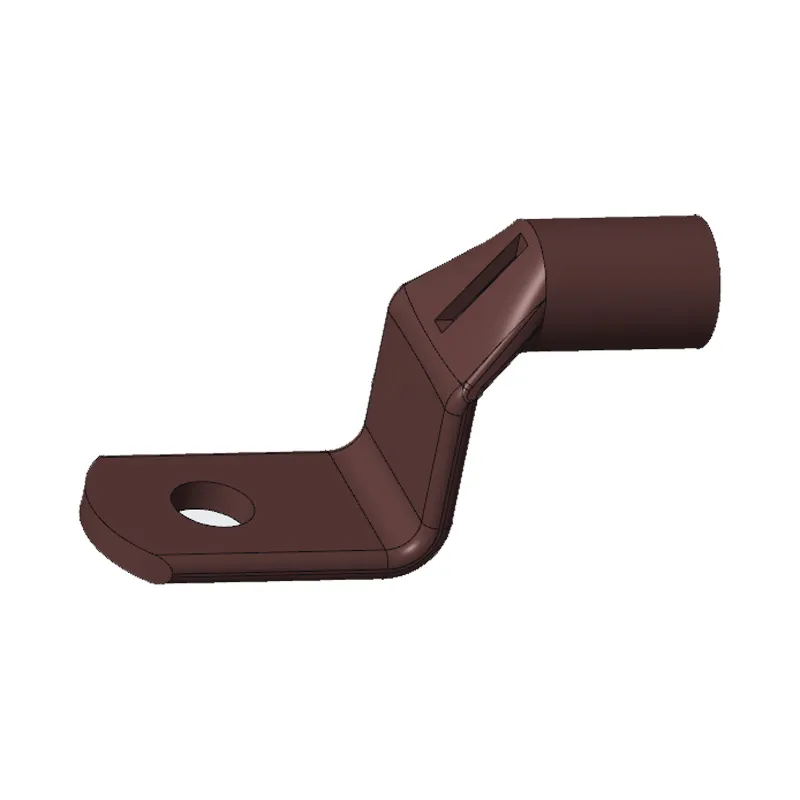
Match the connector from the circuit outward: identify the mating interface, terminal family, wire range, keying, retention method, sealing need, and assembly sequence. Then confirm the selected configuration against harness routing, service access, and the customer’s validation plan. A part that mates mechanically may still be wrong for the required terminal or exposure.
What temperature range should an automotive connector support?
The required range comes from the measured or specified location in the vehicle, not from a generic label. Consider continuous and transient exposure, nearby heat sources, current-related heating, materials, seals, and the validation conditions defined by the program. The engine harness location may need a different evidence package than a cabin circuit even when the connector layout appears similar.
How does car wiring harness connectors affect installation space?
car wiring harness connectors affect installation space through housing envelope, wire exits, bend relief, latch access, lock travel, mating approach, and repair-tool clearance. Review these dimensions with the fully dressed harness and adjacent vehicle parts. This is particularly important when a plastic vehicle query has led the discussion toward material shorthand instead of the actual package and environmental requirements.
What causes automotive connector failures in vehicles?
Common causes include terminal-to-wire mismatch, incomplete terminal insertion, damaged seals, insufficient strain relief, unintended mating, contamination, and using an unvalidated configuration outside its defined environment. The ignition wiring harness can reveal these issues as intermittent operation when load, vibration, or temperature changes. Root-cause work should trace the full interface and assembly process rather than replacing only the visible component.
References and the Decision Moment
- SAE/USCAR-2 Performance Specification for Automotive Electrical Connector Systems
- IEC 60512: Connectors for electrical and electronic equipment—tests and measurements
- IATF 16949 overview
- ISO 14001 environmental management
A connector decision is sound when the interface is specified, assembled, and verified as one system—before an intermittent fault has the chance to define it in the field.
At that decision point, contact Wenzhou Shenji to discuss the documented requirements for the intended connector and harness configuration.