

An online listing labeled “5 V connector” tells a buyer little about whether it will power a board reliably. A connection can fit the wire and still leave too much voltage drop at the load, or its PCB footprint can differ from the part that arrives. A supplier’s location does not resolve either problem. For buyers sourcing in Pakistan, the useful specification therefore starts with the load current, permitted voltage range, conductor and mating interface. This guide compares connection arrangements, shows an explicitly hypothetical voltage-drop calculation, and explains what to verify in supplier documents and a KiCad board layout before ordering.
The short answer for buyers searching 5v dc wire terminal connectors pakistan is to specify the complete circuit, not a connector by supply voltage alone. Check maximum current, allowed load voltage, wire size, polarity, mating parts and environmental conditions. IEC 60352-2 addresses crimped connections within its scope, while terminal-block requirements depend on the block and end equipment. A component’s voltage rating is a limit under stated conditions, not a required operating voltage. Before purchase, confirm the exact drawing, installation instructions and, for a board-mounted part, the footprint and pin mapping.
Which connection arrangement suits a 5V DC circuit?
Choose an arrangement from the installation and servicing requirements. A removable harness plug, a board-mounted block and a distribution terminal all connect conductors, but they need different mounting, retention and assembly checks. A 5 V circuit does not make them interchangeable.
| Arrangement | What it does | What must be verified? |
|---|---|---|
| PCB terminal block | Brings field wiring to a circuit board | Wire range, board footprint, polarity, ratings and mechanical support |
| Pluggable board connection | Separates a wired plug from its board header | Exact mating pair, pole count, keying, retention and pin numbering |
| DIN rail terminal blocks | Organize supported wiring connections in a cabinet | Mounting, circuit function, conductor preparation, bridges and end accessories |
| Ring terminals | Terminate conductors for compatible stud or screw connections | Stud interface, barrel range, fastening requirements and protection against accidental contact |
| Housing-mounted crimp contacts | Provide contacts retained in a specified connector housing | Contact family, wire construction, tooling, locks and mating component |
For cabinet distribution, din rail terminal blocks may be appropriate even when the circuit operates at 5 V. For a removable cable-to-board connection, the relevant decision is the connector family and mating pair. Compare the electrical connector types before selecting parts from different catalog categories.
How much voltage drop can the connection allow?
Begin with the load’s minimum permitted input voltage and the supply’s minimum output under the relevant conditions. The remaining voltage budget must cover both conductors, terminations, mating contacts, protection devices and other series elements. Use peak or transient load requirements where they govern operation, not only an average current.
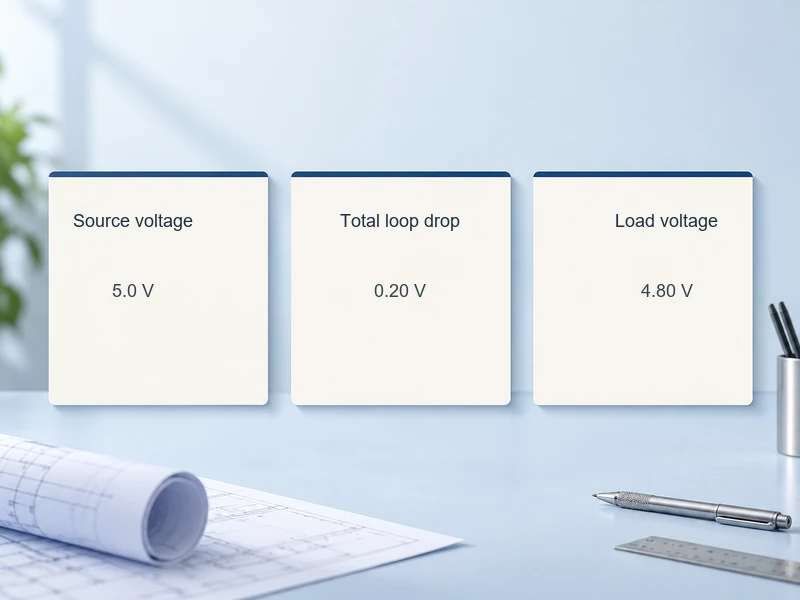
For a simple steady-state illustration, the loop drop is current multiplied by total loop resistance: ΔV = I × R. The resistance includes the outgoing path and return path. Do not double a resistance value that already represents the complete loop.
Hypothetical calculation, not a product test: a 5.0 V source supplying 2.0 A through a total loop resistance of 0.10 Ω has a 0.20 V drop, leaving 4.80 V at the load. That drop is 4% of 5.0 V. Whether 4.80 V is acceptable depends on the actual load specification. None of these values describes a Wenzhou Shenji part or a supplier’s measured performance.
| Input | Where to obtain it | Common mistake |
|---|---|---|
| Minimum supply voltage | Power supply data and applicable operating conditions | Using nominal voltage as a guaranteed minimum |
| Permitted load input | Load or board documentation | Assuming every 5 V device tolerates the same drop |
| Current profile | Load requirements or defined measurements | Ignoring startup or simultaneous loading |
| Complete path resistance | Wire data and component evidence, validated under defined conditions | Including only one conductor or omitting mating contacts |
| Environmental conditions | Installation requirements and component documentation | Assuming a room-temperature sample covers service exposure |
A low supply voltage does not eliminate short-circuit heating or stored-energy concerns. Keep conductor protection, fault conditions and the safe-work procedure within the equipment design review.
What should a KiCad terminal-block footprint be checked against?
The phrase “kicad terminal block rnd” is an ambiguous search string, not enough information to identify a manufacturer part. “RND” should not be treated as a verified model or a statement about pad shape without further evidence. Select an actual component and obtain its current mechanical drawing before committing the board layout.
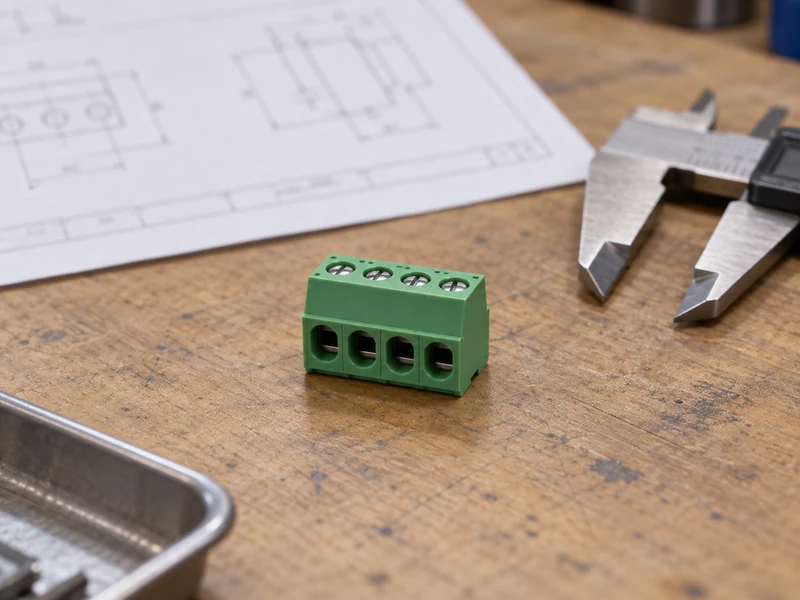
The KiCad 9.0 PCB Editor documentation describes footprint editing, pad properties and inspection tools. Use those capabilities to check the chosen part’s lead pitch, hole requirements, body outline, wire-entry direction and assembly clearance. Pad numbering must agree with the schematic and intended polarity. A schematic symbol with the correct number of pins does not establish a matching physical footprint.
When reviewing a result for “kicad terminal block rnd,” record the library footprint name and revision separately from the purchased part number. Check the board’s component-side orientation and what a technician can reach after installation. Neither a visually plausible 3D model nor a clean design-rule check establishes that an undocumented component will fit.
How should crimped wire ends be prepared and inspected?
First determine whether the receiving component requires a bare conductor, permits a ferrule or needs a crimp contact. For ring terminals, match the conductor barrel and stud interface independently. Use the component’s approved tool and strip length, rather than choosing a die from sleeve color alone.
Inspect for cut strands, incorrect conductor position, insulation caught in the conductor crimp, barrel damage and distorted mating features. Where specified, measure crimp dimensions and perform pull tests using the documented method. An uncontrolled hand tug is not a substitute for a defined test. The terminal crimping tool guide explains which tooling questions need a part-specific answer.
Keep termination inspection separate from board assembly and circuit verification. A mechanically strong crimp does not confirm polarity, board pin assignment or the load’s input voltage.
What should buyers in Pakistan send to suppliers?
A search for 5v dc wire terminal connectors pakistan narrows the purchasing context; it does not establish local inventory, price, delivery time or a national compliance requirement. Obtain those details directly from the proposed supplier. This guide makes no claim that a listed part is stocked in Pakistan.
For a useful enquiry, provide the load-current profile, voltage budget, conductor specification, mating or mounting drawing, expected quantity and application environment. If din rail terminal blocks are needed, identify circuit functions and accessories. If ring terminals are needed, identify fastener and clamping requirements.
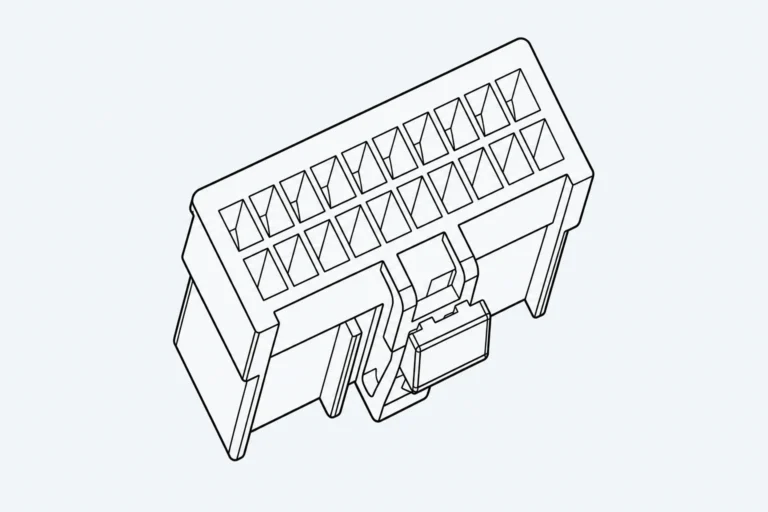
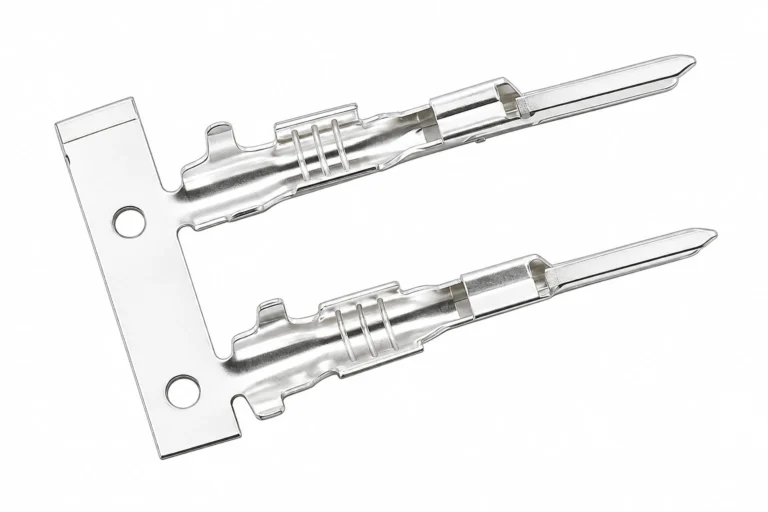
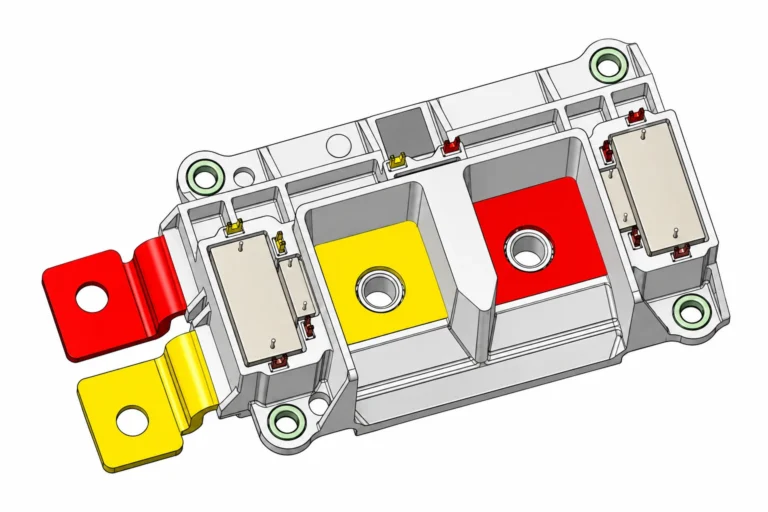
Turn “kicad terminal block rnd” into a controlled part-and-footprint reference before requesting a substitution. For 5v dc wire terminal connectors pakistan enquiries, request confirmation of component identity and installation data separately from commercial terms. Wenzhou Shenji’s automotive connector products show actual housing families, but the photographs do not establish a PCB footprint, 5 V suitability or regional availability.
What are the common questions about low-voltage wire terminals?
What is a wire terminal used for?
It provides a defined interface between a conductor and another connection point, such as a stud, clamp or mating contact. The receiving equipment determines which termination style is acceptable. Supply voltage alone does not determine that interface.
How do you choose the right wire size for a wire terminal?
Select the conductor for current, permitted voltage drop, temperature and installation conditions, then verify it against the terminal’s approved range. Check conductor material and stranding as well as insulation diameter where relevant. Do not reduce the wire size merely to use an available terminal.
What is the difference between 5v dc wire terminal connectors pakistan and din rail terminal blocks?
The first phrase describes a voltage and purchasing-location search, while the second describes a mounting category. A DIN-rail block may be used in a suitable 5 V installation, but its conductor acceptance, circuit function and application limits still need checking. These terms are not competing product standards.
How should a wire terminal be crimped and inspected?
Use the specified terminal, conductor and tooling combination. Follow the strip length and positioning requirements, complete the prescribed crimp cycle, and inspect against the application criteria. Perform dimensional and mechanical checks where required, then verify mating, circuit identity and electrical behavior separately.
Which references support the design and installation review?
- KiCad 9.0 PCB Editor manual: footprint libraries, pad properties, board inspection and design-rule checking.
- Phoenix Contact terminal-block overview: examples of mounting arrangements, connection technologies and circuit functions; its product ratings are not specifications for other suppliers.
- IEC Webstore: locate applicable editions of IEC 60352-2 and terminal-block standards, then check their scope against the actual connection.
- 29 CFR 1910.303, Cornell Legal Information Institute: conductor and termination suitability in covered U.S. workplaces. This is not a statement of Pakistan’s local rules.
Conclusion: What matters most when choosing a 5V DC connector?
A 5 V label identifies a circuit context, not a complete connection specification. Start with the load’s current and permitted input voltage, establish the full voltage-drop budget, then select the wire and receiving interface together. For a PCB connection, verify the actual part drawing, footprint and pin mapping before fabrication. For a crimped termination, approve the tooling and inspection criteria before production. Supplier location and a search-result description cannot replace those checks or establish availability. Wenzhou Shenji provides automotive connector components; share the wire, mating-interface drawing and operating requirements to request component documentation, and confirm commercial and destination-specific requirements separately.