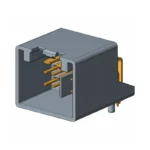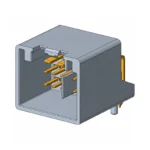


When a service-parts engineer in São Paulo encountered an unfamiliar car electrical connector, she identified it by its visual form, matched the housing to a mating half, and completed a quick bench fit-up. The circuit then dropped in and out when the lead was moved. What first looked like a bad part was a selection problem: the terminal system, wire range, sealing needs, and circuit duty had never been confirmed together. The same gap can turn a visually plausible replacement into a costly field return.
Summary: The right choice begins with the electrical load, mating interface, wire and terminal system, and environment—not the housing shape alone. Types of car electrical connectors are distinguished by more than geometry: SAE/USCAR-2 and IEC 60512 provide test and specification references for assessing connection systems and their performance. Procurement teams should turn each request into a controlled specification, obtain the applicable drawings and validation evidence, and check a representative harness build before release.
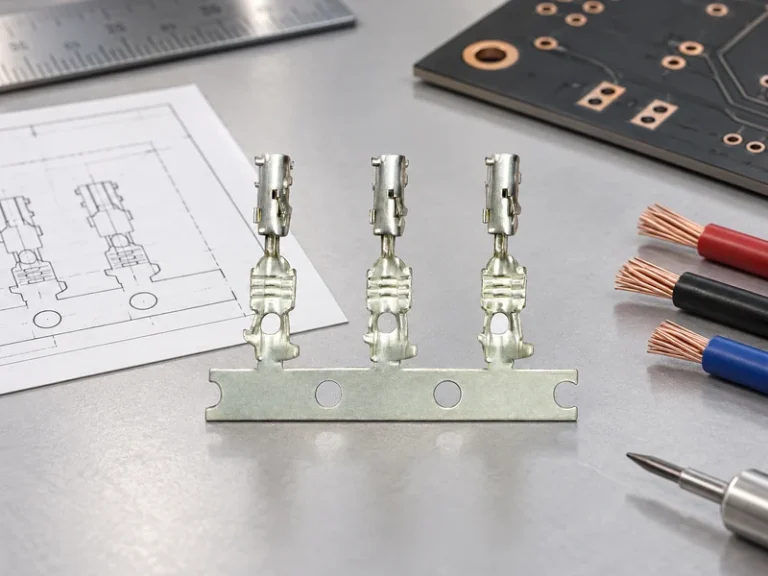
Reviewing one controlled product example alongside the drawing helps teams compare types of car electrical connectors without treating a visual match as approval.
Start with the circuit and interface, not the catalog photograph
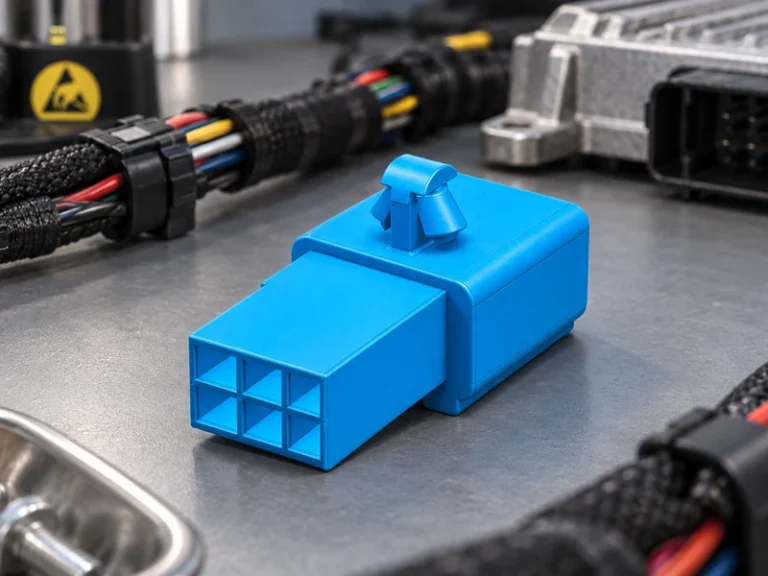
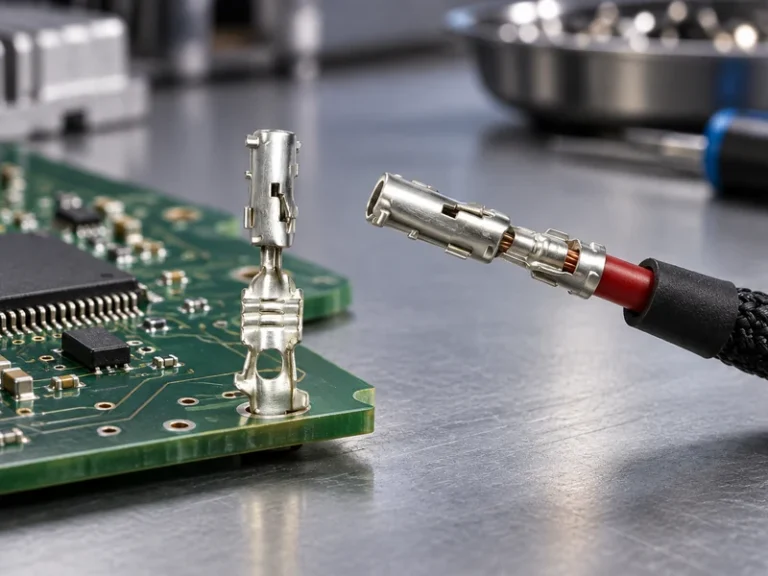
A connector assembly joins conductors while maintaining a controlled electrical path and a repeatable mechanical interface. In a vehicle, that simple job varies sharply between a low-level sensor circuit, a power distribution branch, an actuator, and an EV subsystem. The housing is only one part of the decision; terminal design, cavity layout, keying, secondary locking, seals, backshell or strain relief, and the mating part can determine whether the assembly is usable.
For that reason, a buyer should separate function from appearance. The phrase automotive wire connectors often describes an assembled connection for a harness, while a purchasing request may actually need a housing, a terminal, a seal, a repair lead, or a complete connector kit. A request for auto wiring connectors should identify the circuit role and the full bill of materials before supplier comparison begins.
Questions that reveal the actual part definition
- What is the nominal system voltage, expected current, and load profile for each circuit?
- Which mating connector, terminal family, cavity count, polarization, and locking feature must be retained?
- What conductor cross-section, insulation diameter, stripping process, and crimp tooling will be used?
- Will the interface face water, dust, chemicals, vibration, thermal cycling, or repeated service access?
These are specification-control questions, not paperwork after the fact. SAE/USCAR-2-10 is a useful named reference because it addresses performance requirements and validation approaches for automotive electrical connector systems. It does not make every product interchangeable; it helps a team define what evidence is relevant to the intended interface.
Compare connector families by application risk and total cost
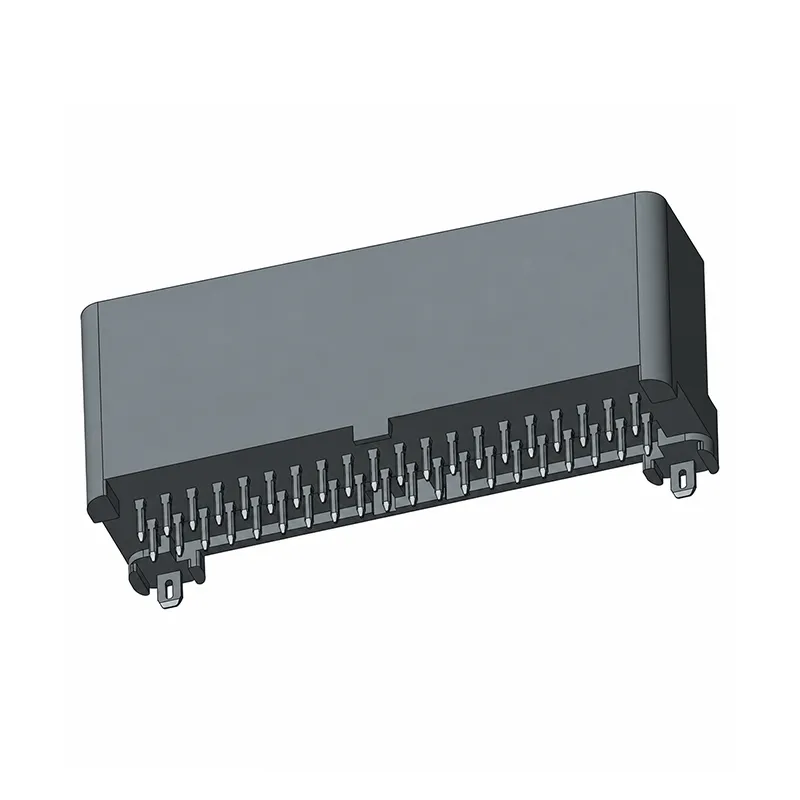
The commonly discussed types of car electrical connectors include sealed and unsealed multi-pin systems, inline service connectors, sensor interfaces, power connections, and specialized high-voltage or data interfaces. Those labels are helpful starting points, but the procurement decision remains circuit-specific. A search phrase such as “wire connectors auto” is not a technical specification; the same phrase can cover products with very different mating, retention, and environmental requirements.
| Selection path | Best fit | Value driver | Risk if misapplied | Total-cost consideration |
|---|---|---|---|---|
| Unsealed multi-pin connection | Protected interior harness areas | Simple assembly and accessible servicing | Contamination exposure can compromise the interface | Lower part complexity may be offset by protection requirements elsewhere |
| Sealed connection system | Zones exposed to moisture or contaminants | Environmental barrier when matched with the proper terminal and seal | Incorrect wire/seal combination can defeat the intended protection | Assembly controls and inspection deserve inclusion in the sourcing cost |
| Service or repair connection | Aftermarket replacement and controlled repairs | Clear identification and installation practicality | Mismatch with the original terminal family or wiring method | Correct kit definition can reduce repeat repairs and return handling |
| Power or specialized interface | Higher-duty, safety-relevant, or signal-sensitive circuits | Purpose-built interface and documented application scope | Assuming physical fit proves electrical suitability | Qualification, tooling, and traceability can outweigh unit-cost comparisons |
The hidden cost is usually not the connector purchase line. It is the rework caused by an incorrect crimp window, the inspection needed after an uncertain substitution, a delayed harness build, or a return whose cause cannot be traced. An illustrative—not quoted—total-cost review should include components, terminals, seals, tooling readiness, assembly time, incoming checks, documentation, and likely service exposure. That approach makes a slightly more disciplined selection decision easier to defend.
Use the application to narrow the design space
| Application dimension | What to specify | Why it changes the choice | Useful reference |
|---|---|---|---|
| Electrical duty | Voltage, current, circuit type, and expected duty cycle | Determines the appropriate terminal and connection-system evaluation | SAE/USCAR-2-10 requirements as applicable |
| Harness construction | Wire size, insulation diameter, terminal, seal, and crimp process | Housing compatibility alone cannot validate a wire-to-terminal connection | IEC 60512 test-method family as applicable |
| Environment | Mounting location and exposure to vibration, fluids, dust, and temperature change | Guides sealing, retention, and validation priorities | Application-specific test plan |
| Service model | Repair method, mating cycles, identification, and replacement kit content | Controls field usability and reduces incorrect substitutions | Vehicle or customer service requirements |
IEC 60512 is a family of connector test methods, including methods relevant to electrical, mechanical, and environmental performance. It can support a well-defined validation plan, but it should be selected with the product design and application in mind. Neither a passing reference to IEC 60512 nor the name of a test method substitutes for the agreed product specification.
Turn standards language into a defensible sourcing decision
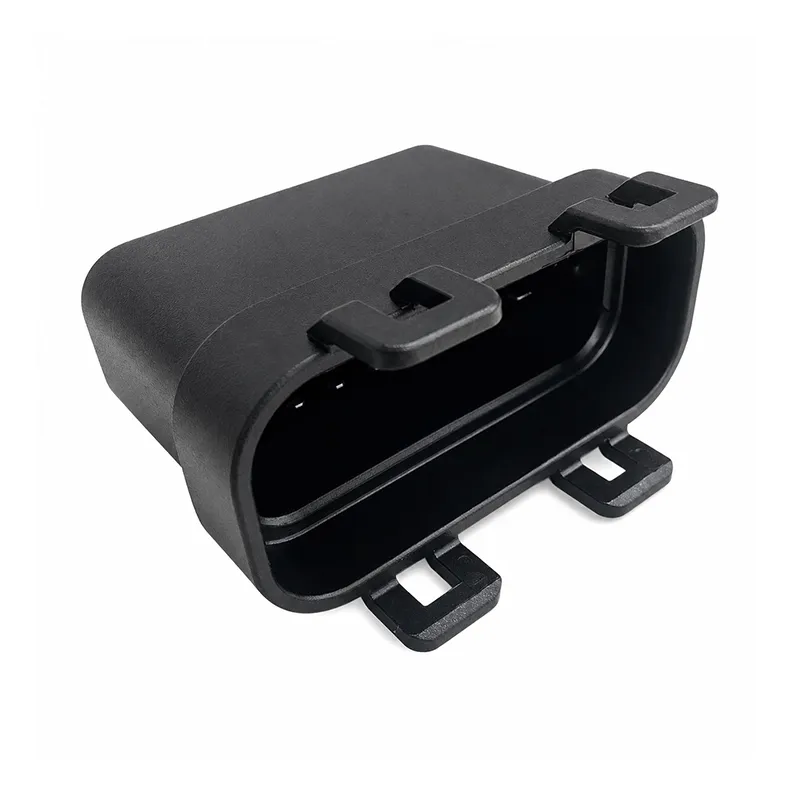
Standards terms are frequently compressed in supplier conversations, which creates avoidable ambiguity. IATF 16949 is a quality-management-system standard; it is not a connector performance test and does not automatically certify an individual product. IEC 60512 and SAE/USCAR-2 are connector test or specification references, not automatic product certifications. A purchaser should request the applicable scope, sample condition, acceptance criteria, and traceability records rather than treating a standard number as a blanket approval.
Commercial consequences follow from that distinction. Unsupported claims can lead to rejected PPAP or customer documentation, delayed source approval, and a mismatch between a marketed part and its destination-market use. Regulatory and customer requirements depend on the destination market, intended use, and claims made for the assembly. A complete request therefore states whether the part is for original production, service replacement, prototype evaluation, or distribution inventory.
A practical five-step selection guide
- Freeze the mating interface: confirm drawings, keying, cavity count, terminal family, locking features, and counterpart part.
- Map each circuit: document voltage, current, signal sensitivity, wire details, and load behavior instead of relying on a general label such as automotive wire connectors.
- Define the environment and validation evidence: select the relevant SAE/USCAR-2 or IEC 60512 references with the actual mounting location in view.
- Control assembly: align terminal, seal, conductor, crimp tooling, inspection method, and repair process; a catalog term such as wire connectors auto cannot replace this work.
- Approve by build evidence: evaluate a representative harness assembly and record the approved configuration before volume release.
For buyers comparing configurable component options, Wenzhou Shenji can be approached as a documentation-led sourcing partner: the company is a China B2B automotive connector and components manufacturer integrating R&D, manufacturing, sales, and service, founded in 2010 in Wenzhou, Zhejiang. Its supplied credentials include IATF 16949, ISO 14001, ISO 45001, and an ISO 17025 CNAS-compliant laboratory; purchasers should still match requested documentation to the exact product and project scope. This is why the relevant types of car electrical connectors should be compared only after the circuit and assembly conditions are defined.
For auto wiring connectors, the purchasing record should also state whether service access, repairability, or controlled harness production is the primary objective. If a request uses the phrase “wire connectors auto,” the buyer should convert it into the same controlled data set before asking for an alternative.
Part-level review benefits from specific samples rather than generic category names. Relevant product references may include the SJZ-XK-33 auto connector, the 303-2115S auto connector, and the 2BK11-4007A auto connector; their drawings and application information should be checked against the released harness specification.
Frequently asked questions
What is an automotive connector used for?
An automotive connector provides a separable electrical interface between vehicle wiring, components, and subassemblies. It supports manufacture, service, and replacement while helping keep the intended circuit path controlled. The chosen design must still match the circuit, mating part, wire system, and environment.
How do you choose an automotive connector for voltage and current?
Start with the specified system voltage, circuit current, load behavior, conductor, terminal, and mating interface. Then define the environmental and mechanical conditions and identify applicable validation references, such as SAE/USCAR-2 or appropriate IEC 60512 methods. Do not infer electrical suitability from cavity count or a similar-looking housing.
What is the difference between types of car electrical connectors and automotive wire connectors?
The first phrase commonly groups interfaces by form or application, whereas automotive wire connectors may describe the connection components used within a wire harness. In both cases, the usable part definition includes housings, terminals, seals, wire range, and the mating system. Buyers should request those details before comparing alternatives.
What makes an automotive connector reliable in harsh environments?
Reliability comes from a compatible connector system, correctly controlled assembly, and validation that reflects the exposure—not from a “sealed” label alone. Moisture, contaminants, vibration, temperature change, and service handling each affect the requirement. Teams searching for auto wiring connectors should specify those conditions and agree the evidence needed for the intended use.
References and the decision that protects the harness
- SAE/USCAR-2-10: Performance Specification for Automotive Electrical Connector Systems
- IEC 60512 connector test-method publication
- IATF 16949 overview
- ISO 14001 environmental management overview
The memorable rule is simple: a connector that merely mates is not necessarily a connector that belongs in the circuit. When the decision needs application-specific documentation and component support, contact Wenzhou Shenji to discuss the released specification.