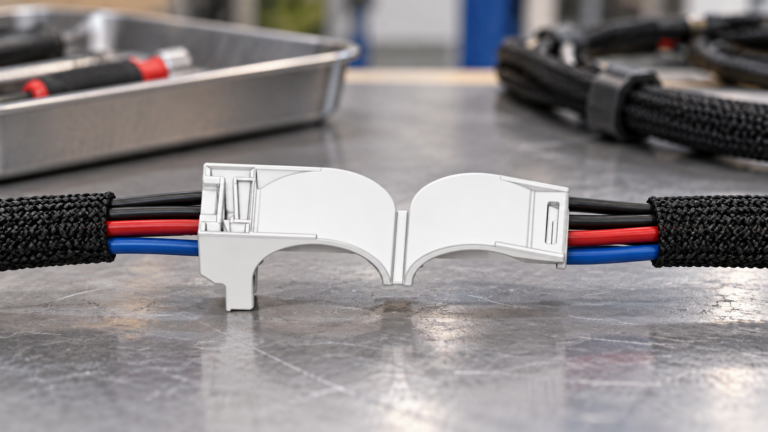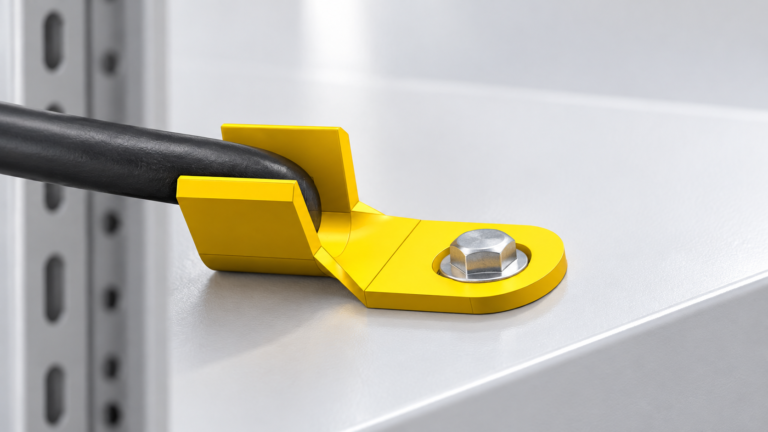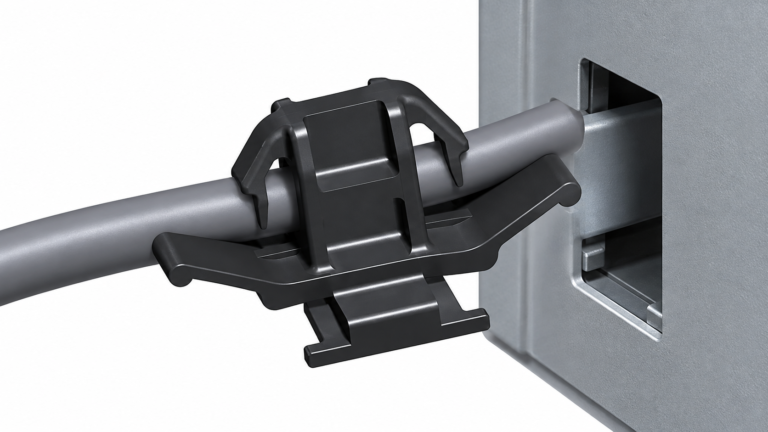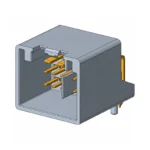


When a harness designer is matching a cable to an enclosure, a connector that looks close enough can still fail at the terminal, lock or cable entry. A loose conductor capture increases rework risk; an over-tight cover can damage insulation; and a housing that mates but does not retain the contact can create intermittent service faults. The practical question is therefore not simply which plastic shell fits the opening, but whether the housing, terminal, conductor, seal and mating half have been specified as one system. This guide explains how to choose a plastic wire connector, when a cover is useful, and which evidence a buyer should request before releasing a part for production.
Summary: Select the connector from the approved cable construction and terminal drawing, then verify cavity size, keying, retention, sealing and service access. A plastic housing provides positioning and insulation, but it does not by itself establish current capacity, ingress protection or flame performance. IEC 60512 can provide agreed connector test methods, IPC/WHMA-A-620 can guide harness workmanship, and UL 94 can help classify plastic flammability; none makes unrelated housings interchangeable. Confirm the complete assembly, intended environment and inspection criteria before ordering.
What is a plastic wire connector used for?
A plastic wire connector is an insulating housing that organizes one or more terminated conductors and provides a controlled interface to a mating housing, board, device or harness branch. The plastic body normally locates the terminals, controls polarization and supports a latch or secondary lock. The electrical path is still created by the metal terminal and conductor interface, so the shell should not be treated as a substitute for a terminal specification.
Typical uses include joining a harness to a sensor, routing low-voltage power or signals into an enclosure, and making a branch removable for assembly or service. The application determines whether the housing needs a seal, a strain-relief feature, a cover, a CPA or another secondary retention feature. For a broader comparison of cable interfaces, see this cable connector selection guide.
How do housing, terminal and conductor fit together?
The fit should be checked as a stack rather than as three independent catalogue searches. Start with the conductor: record conductor material, strand construction, insulation outside diameter and approved strip length. Then match the terminal barrel and contact geometry to that cable. Finally, verify that the selected terminal is designed for the housing cavity, seal, lock and mating contact. A housing that accepts the terminal mechanically may still have the wrong key, contact position or retention feature.
| Selection layer | Evidence to request | Failure prevented |
|---|---|---|
| Conductor and insulation | Wire construction, insulation diameter and controlled strip-length range | Loose strands, damaged insulation or an incomplete crimp |
| Terminal | Part drawing, approved wire list, plating and crimp-tool identification | High resistance, weak conductor capture or wrong mating contact |
| Housing and cavity | Cavity map, keying, seal dimensions and primary/secondary lock details | Wrong position, back-out or incompatible mating half |
| Enclosure interface | Entry diameter, panel thickness, bend radius and service clearance | Pinched cable, cover interference or inaccessible service |
For multi-position assemblies, pin count is only one dimension. Two six-position housings can differ in pitch, polarization, cavity size and contact family. A buyer should compare the dimensional drawing and mating reference, not rely on a product photograph or a search term such as “wire cube plastic connectors.”
When is a wire connector plastic cover needed?
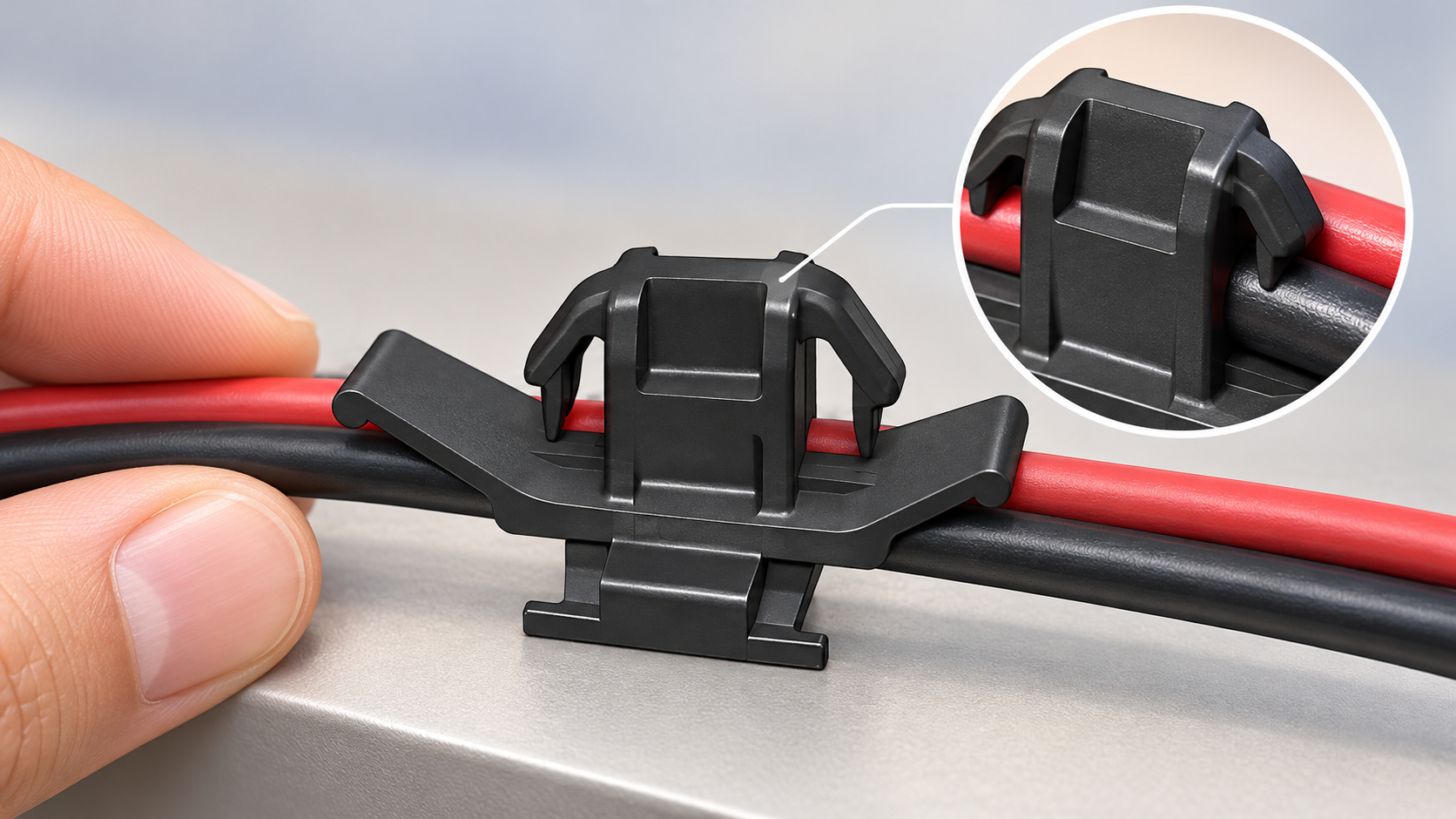
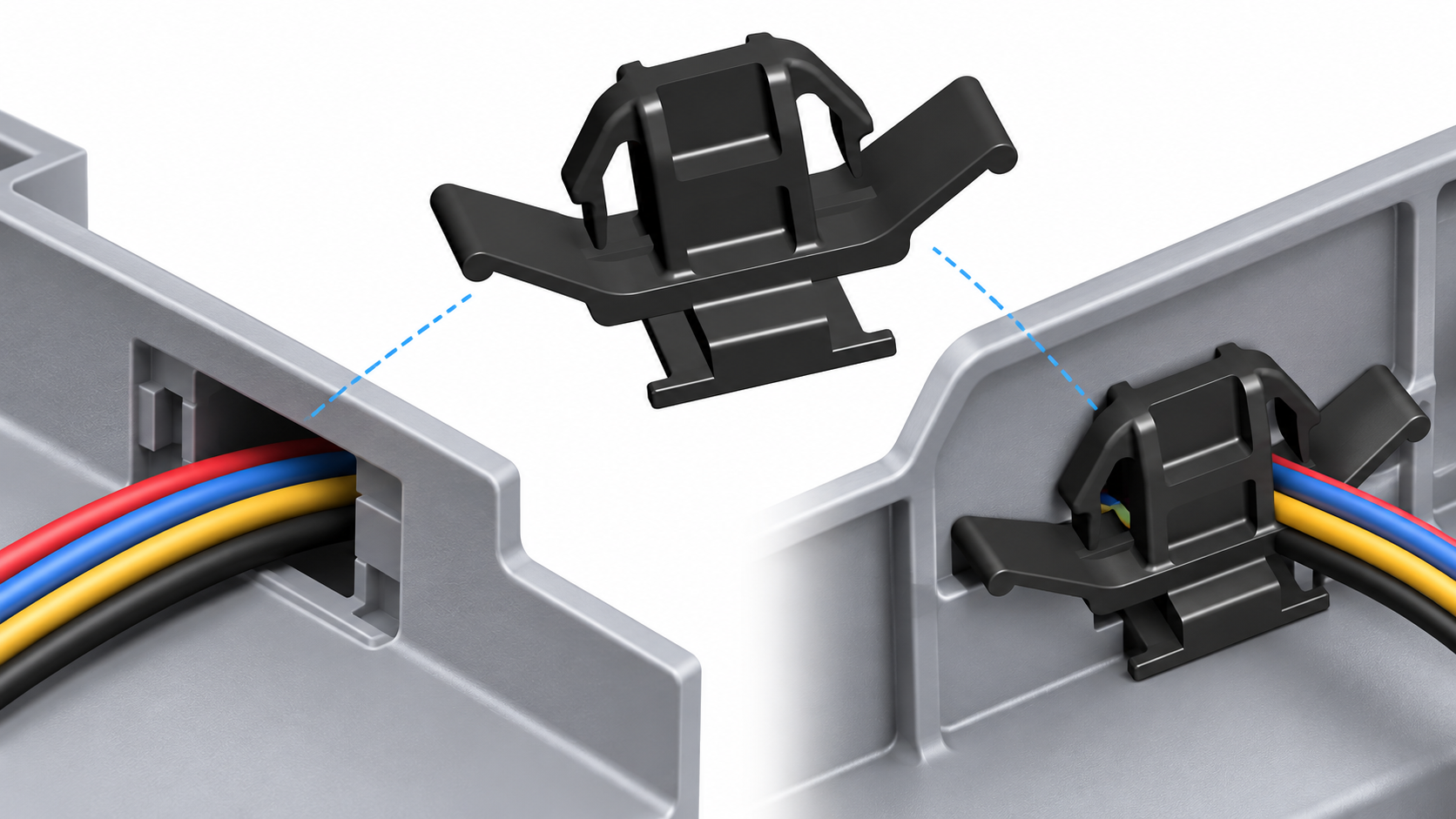
A wire connector plastic cover is useful when the terminated joint needs physical shielding, guided cable exit, protection from accidental contact or a defined service boundary. It may also help keep a harness branch organized inside an enclosure. The cover is not automatically a seal, a strain relief or a touch-safe barrier; those functions depend on the design and the stated application requirements.
Check the cover and housing as a mated set. Confirm latch engagement, clearance to the wire bundle, bend direction, screw or clip access and whether the cover can be removed without disturbing the terminal. If the assembly is exposed to fluid, dust, vibration or repeated service, request the actual sealing and environmental test basis. Do not infer an IP rating or temperature range from the presence of a plastic cap.
What should be checked before using wire cube plastic connectors?
“Wire cube plastic connectors” is an informal search phrase rather than a universal connector standard. Before using a cube-shaped or compact plastic housing, verify four interfaces: the cable entry, the terminal cavity, the mating face and the mounting or enclosure interface. The compact outline may reduce available bend radius or make a lock difficult to inspect after installation.
| Check | Question for the drawing or sample | Acceptance evidence |
|---|---|---|
| Cable fit | Does the entry accept the specified insulation without pinch or excessive slack? | Measured cable and installed sample |
| Terminal capture | Does the contact reach its stop and does the primary lock engage? | Insertion check and retention record |
| Mating orientation | Are keying and polarization clear to the operator? | Controlled mating trial with the approved counterpart |
| Service access | Can the latch, secondary lock and release tool be reached in the enclosure? | Service simulation at installed orientation |
| Material evidence | Is the plastic material and any flammability classification documented for the use? | Supplier declaration or applicable test report |
IEC 60512 provides a framework for connector tests and measurements, but the applicable tests and limits must be selected for the connector family and use case. Likewise, UL 94 classifications concern the flammability behavior of specified plastic materials and do not certify the complete electrical assembly.
How should buyers compare plastic wire connector options?
The lowest unit price is rarely the only cost driver. A housing that saves a small amount per piece but requires manual rework, a special extraction tool or a second inspection step can increase total cost. Compare the complete bill of materials and process evidence.
| Dimension | Option A: basic housing and terminal | Option B: retained, covered assembly | Buyer question |
|---|---|---|---|
| Assembly effort | Fewer parts, but more exposed operator decisions | More controlled orientation and retention features | Which process steps are repeatable at production volume? |
| Service | May require direct access to the terminal | Cover and lock can define a service sequence | Can the approved tool reach the release feature? |
| Environmental protection | Depends on the open housing and installation | May add a cover or seal interface when documented | Which environmental tests and ratings actually apply? |
| Compatibility | Requires exact mating housing and terminal family | Requires exact cover, seal and lock combination | Does the quote identify every mating part? |
| Total cost of ownership | Potentially lower piece price but higher inspection or return risk | Potentially higher piece count with clearer assembly controls | What are the costs of tooling, rework and service access? |
These are decision dimensions, not promises that one style is universally better. The appropriate choice depends on the cable, enclosure, environment, assembly method and required evidence. The site’s electrical connector types guide provides related terminology for comparing interfaces.
Which standards and records support a connector purchase?
Standards should be mapped to the claim being made. IEC 60512 is a connector test-and-measurement series; it does not grant a blanket product certification. IPC/WHMA-A-620 is a workmanship standard for cable and harness assemblies, so it helps define acceptable crimp, routing and assembly practices when the contract or quality plan adopts it. UL 94 addresses the flammability classification of plastic materials under specified test conditions. Road-vehicle programs may also impose customer-specific environmental, vibration or chemical tests.
Commercially, a supplier should identify the drawing revision, material declaration, terminal and housing part numbers, approved wire range, tooling, inspection plan and change-notification process. A certificate with no matching part number is weak evidence. Conversely, a product drawing without a controlled process leaves the buyer unable to reproduce the approved result. Keep the agreed test method and acceptance limit with the purchase specification.
How can a buyer select and validate a plastic wire connector?
- Define the use: document circuit function, cable construction, enclosure entry, environment, mating frequency and service orientation.
- Freeze the interface: approve the terminal, cavity, key, lock, seal or cover and mating half as a complete part family.
- Review process control: request strip-length limits, tooling identification, insertion and retention checks and sample records.
- Test the installed condition: inspect the mated connector in the real bend, clearance and access envelope; do not approve a bench-only fit.
- Control purchasing: place the drawing revision, material evidence and change-notice terms on the order, and define what must be re-approved after a change.
Wenzhou Shenji Electronic Technology Co., Ltd. supplies automotive connectors and wiring-harness components, including housings, terminals and related connection parts. Its stated management and laboratory credentials include IATF 16949, ISO 14001, ISO 45001 and ISO 17025/CNAS-compliant laboratory capability. Those credentials can support supplier due diligence, but they do not replace verification of the specific plastic wire connector, cable and terminal combination. Buyers can review the connector product directory and request application documents through the engineering contact page.
Plastic wire connector FAQs
What is a plastic wire connector used for?
It houses and positions terminated wires so they can connect to a defined mating interface while remaining insulated and serviceable. The housing controls alignment and retention; the metal terminal and conductor establish the electrical path. Confirm the complete housing, terminal and cable system for the intended environment.
How do you choose a plastic wire connector for the cable and enclosure?
Start with conductor construction and insulation diameter, then match the approved terminal and housing cavity. Check entry diameter, bend radius, keying, lock access and the mating half in the installed enclosure. Ask for a drawing, wire range, tooling information and agreed inspection criteria before purchase.
When is a wire connector plastic cover needed?
A cover is useful when the joint needs guided cable exit, physical shielding, organized routing or controlled service access. It should not be assumed to provide sealing, strain relief or a safety rating unless those functions are documented and tested for the assembly. Verify clearance and removal access with the cover installed.
What should be checked before using wire cube plastic connectors?
Confirm that the informal “cube” housing matches the cable entry, terminal cavity, mating connector and mounting envelope. Check terminal seating, primary and secondary locks, polarization, bend clearance and the material or environmental evidence required by the application. A compact shape alone does not prove compatibility or performance.
References
- IEC 60512, Connectors for electronic equipment — Tests and measurements, applicable parts selected for the connector and use case.
- IPC/WHMA-A-620, Requirements and Acceptance for Cable and Wire Harness Assemblies.
- UL 94, Tests for Flammability of Plastic Materials for Parts in Devices and Appliances.
- ISO 16750 series, Road vehicles — Environmental conditions and testing for electrical and electronic equipment, where the connector is part of a road-vehicle application and the customer specification invokes it.
Conclusion: What is the safest way to choose a plastic wire connector?
The safest choice is the one that fits the actual cable and enclosure, retains the specified terminal and remains inspectable after installation. Start by confirming conductor construction and insulation diameter; then approve the terminal, cavity, mating half, lock, cover and any seal as one controlled system. Next, validate the installed bend, clearance and service sequence, and preserve the drawing revision and inspection evidence in the purchase record. Do not treat a plastic shell, a cube-shaped outline or a flammability reference as proof of current capacity, sealing or interchangeability. Wenzhou Shenji can support connector and harness sourcing through its product range and engineering contact, while the buyer’s final release should remain tied to the application specification and agreed test plan.