

Connector mating cycles describe repeated connection and disconnection under a specified test method; they do not automatically predict years of service. To judge a cycle rating, confirm the exact mating pair, contact finish, operating conditions, and acceptance checks used to establish it. Then compare that evidence with every expected production, test, rework, and maintenance operation. A connector that remains installed may face few mating operations, while the same interface on a test fixture may be disconnected several times each day. This guide explains how to build a useful cycle requirement without inventing a universal lifespan.
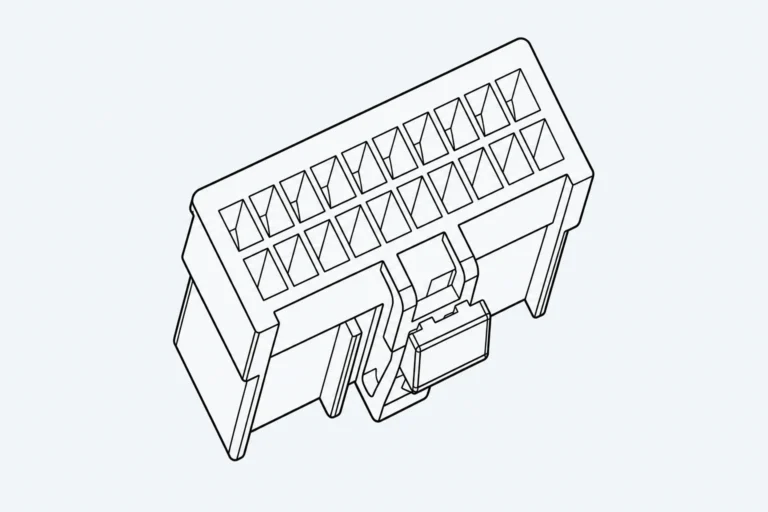
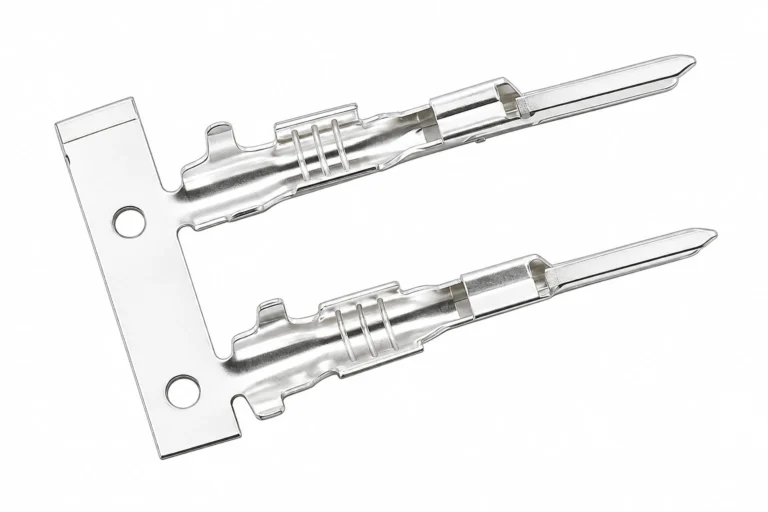
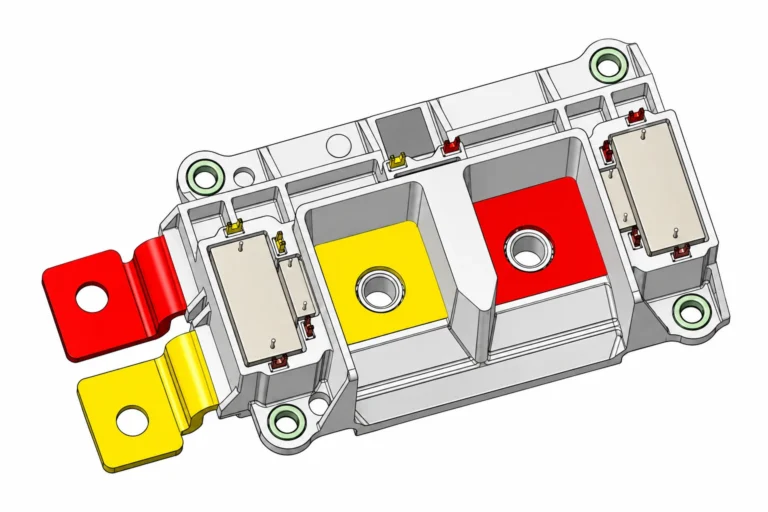
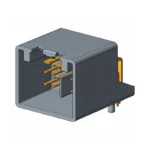
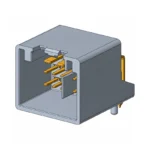
A cycle count is one part of connector selection. Current, temperature, contamination, vibration, cable loading, and service access still need separate assessment. The illustrations use a Shenji product reference to show the physical interface; they do not assign that model a cycle rating. Obtain its current drawing and validation information before using it in a defined application.
What counts as a mating cycle?
In ordinary connector use, one complete cycle involves mating and then unmating the specified pair. The detail specification and test procedure control the exact definition, engagement depth, lock operation, rate, and any dwell period. A supplier and a buyer should use the same definition when comparing figures. Counting every individual insertion and removal as two complete cycles can double the apparent requirement.
A mating-cycle claim also needs an endpoint. Does the connector simply remain mechanically operable, or must it still meet defined electrical and mechanical criteria after the cycling? A useful specification identifies both the operation and the measurements used to judge the result. An unexplained number in a catalog is insufficient for a production release decision.
IEC 60512-9-1, Test 9a: Mechanical operation describes an endurance test in the normal operating mode without electrical load, when invoked by the detail specification. That scope matters: a mechanical operation result is not evidence that a connector may safely make or break a loaded circuit. Electrical load-breaking requires its own explicit design and application evidence.
A rating is not a countdown to a guaranteed failure
A test can demonstrate that defined samples met stated criteria through a specified number of operations. It does not mean every production connector fails at the next operation, nor that an exposed or damaged connector will remain acceptable until that count is reached. Avoid presenting the number as either a guaranteed minimum service life in all conditions or a precise physical failure point.
Likewise, converting cycles directly into years leaves out important information. A service interval describes time; a mating-cycle requirement describes operations. Both may matter, but they are not interchangeable. A rarely disconnected connector can still suffer environmental degradation, while a clean bench connector can accumulate many operations over a short period.
Read the conditions behind the number
| Specification item | Question for the supplier | Why it changes the comparison |
|---|---|---|
| Mating pair | Which exact housing and contact references were tested together? | Similar size or pitch does not establish the same contact interface |
| Contact finish | What finish and configuration does the result cover? | A claim for one variant cannot simply be assigned to another |
| Operation method | How were alignment, engagement, lock release, rate, and dwell controlled? | Controlled cycling differs from forced or misaligned handling |
| Electrical condition | Was cycling unpowered, and which separate electrical checks were performed? | Mechanical endurance is different from loaded switching capability |
| Environment | What temperature, cleanliness, and conditioning applied? | Field exposure may introduce conditions absent from the test |
| Acceptance criteria | Which limits and inspections were required before and after cycling? | A cycle count has meaning only alongside the assessed performance |
Use the table as an evidence checklist rather than a substitute test standard. The product specification determines which measurements and limits apply. Ask for a report tied to the relevant configuration and revision, not a generic family statement copied onto a different quotation.
If a supplier changes the terminal finish, contact geometry, material, or locking arrangement, request a review of the evidence that still applies. The change might be acceptable, but that conclusion should be documented. A shared marketing family name does not demonstrate that every version has the same endurance.
Why handling affects repeated mating
Each operation brings surfaces and mechanical features into contact. Misalignment, debris, damaged contacts, or an incorrect mating half can change the forces and wear involved. Pulling on wires instead of operating the intended release can also load parts that were not meant to carry the extraction force. The operator’s method therefore belongs in the application review.
Friction helps explain why repeated sliding contact deserves attention, but it does not provide a simple formula for predicting connector life. Actual behavior depends on the engineered interface and operating conditions. Do not calculate a cycle rating from appearance, plating color, or a generic material coefficient.
NASA’s workmanship standard for cable and harness assemblies discusses finite connector life and the use of engineering-approved connector savers during frequent mating. Its requirements concern NASA hardware. For an industrial or automotive project, the useful lesson is to control handling and wear exposure while obtaining application-specific requirements, not to claim NASA compliance for an unrelated part.
Build a cycle budget for the actual workflow
List where the interface is connected and disconnected, including activities that happen before the customer receives the product. Development trials, incoming checks, end-of-line testing, troubleshooting, rework, and final installation can all consume operations. Assign each operation to the physical connector that experiences it, rather than assuming one shared count covers the entire system.
| Stage | Example planned complete cycles | What to document |
|---|---|---|
| Assembly and verification | 3 | Which inspections require an actual disconnection |
| Production testing | 4 | Whether an approved test adapter carries the repeated operations |
| Allowed rework | 2 | Reinspection and replacement requirements |
| Expected maintenance | 10 | Service actions over the defined planning period |
| Planning subtotal | 19 | 3 + 4 + 2 + 10; review uncertainty separately |
The example shows how to expose assumptions, not how to approve a connector for nineteen operations. Engineering still needs to select an appropriate requirement and allowance for uncertainty, then compare it with relevant product evidence. The cycle budget does not establish electrical rating, environmental suitability, or a replacement interval on its own.
A production test fixture needs its own ledger. Its connector may mate with many different units during a shift, while each product connector sees only one test engagement. Track fixture usage and replacement separately so wear in the test equipment is not mistaken for a defect in every product being tested.
When a connector saver can help
A connector saver or replaceable adapter can move repeated test operations away from a harder-to-replace interface. It introduces additional contacts, however, and can change access, electrical measurement boundaries, and mechanical support. Approve the adapter as part of the test setup rather than treating any plug that fits as a harmless extension.
Define the adapter’s part reference, compatible counterpart, inspection procedure, usage tracking, and replacement trigger. Also state whether it remains installed for the particular electrical measurements. A test report should make clear which interfaces are included, especially where added connections could affect the result.
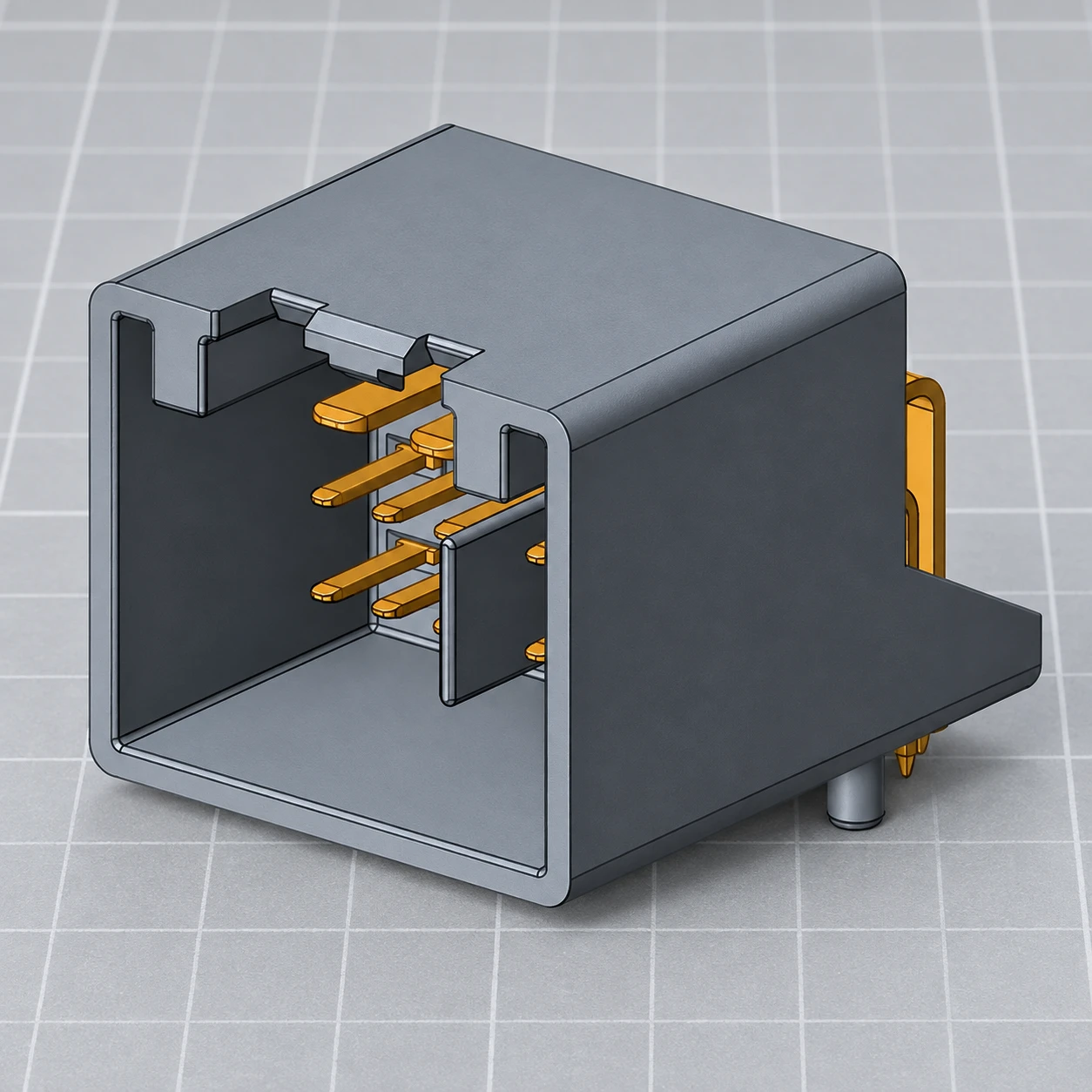
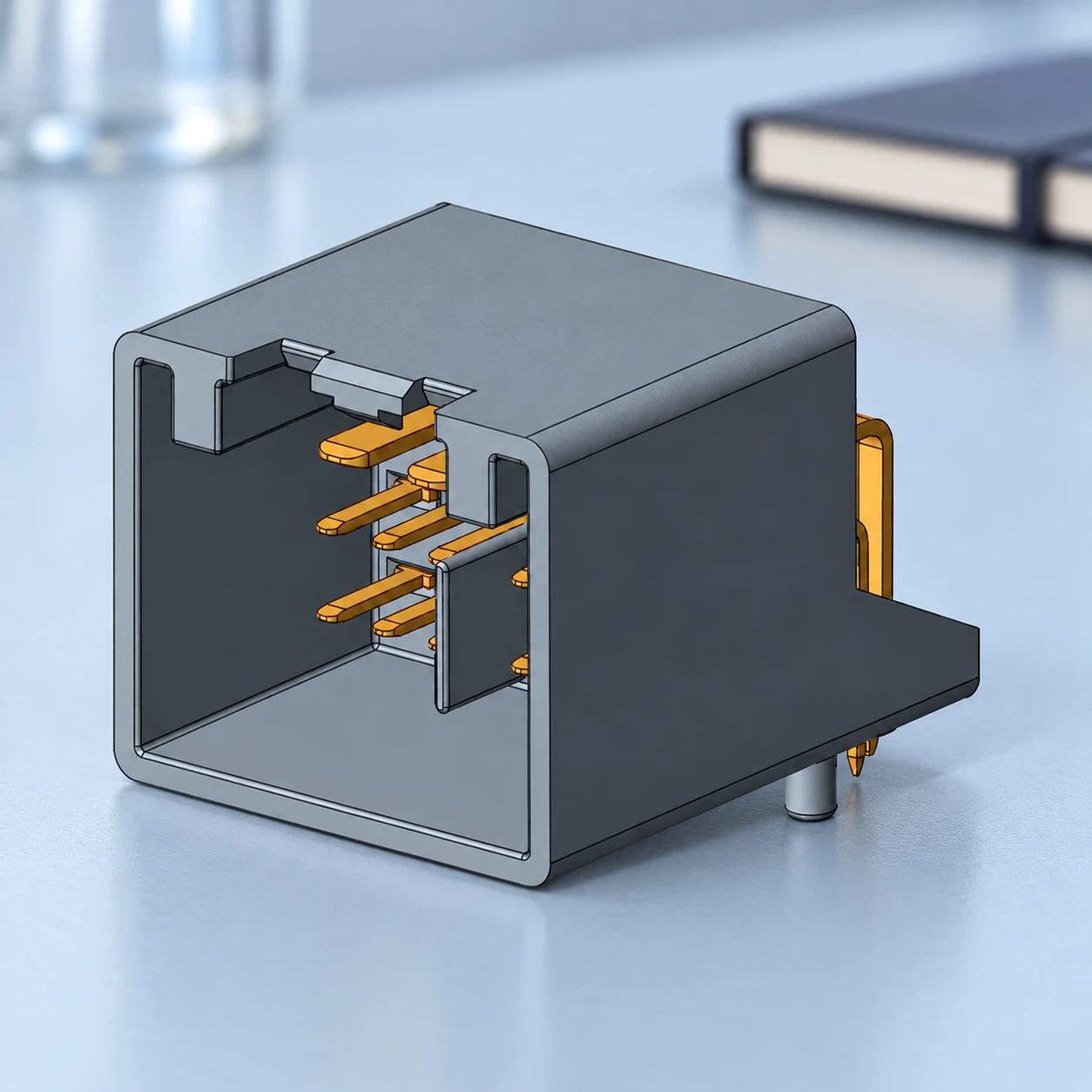
Shenji’s 2BK01-161228W-A product record is the source of the gray connector shown here. The illustration does not show a saver, an approved mating pair, or a cycling fixture. For a sourcing discussion, request the current mating references and endurance evidence for the intended configuration and workflow.
Inspect condition as well as count
Before an authorized mating operation, check the interface for contamination, damaged alignment features, displaced contacts, and an impaired lock. Use the product’s prescribed handling and isolation procedure. Stop when engagement feels abnormal instead of repeatedly cycling the connector to see whether it becomes easier.
Maintain a record of the connector or fixture identity, date, operation count, observed condition, inspection result, and any approved corrective action. If the prior history is unknown, record it as unknown; do not reset the physical connector’s history by starting a new spreadsheet. Any decision to continue using it needs the responsible engineering or quality review.
A visibly damaged connector can require replacement before an administrative count limit. A connector that still looks clean may also need replacement at the documented limit. Use both condition and the approved maintenance plan. Improvised cleaning, lubrication, or reshaping can change the interface and should not be used to extend a rating without authorization.
Keep endurance separate from other failure checks
For the overall interface definition, use the wiring harness connector guide. If an individual contact moves rearward, the terminal backout inspection guide addresses seating and retention. If the circuit loses voltage under load, the connector voltage-drop guide explains the separate diagnostic measurement. None of these observations alone establishes the remaining mating life.
Video: the friction behind sliding interfaces
Friction: Crash Course Physics #6 provides an independent educational explanation of friction. It helps explain why surface interaction matters during repeated engagement. It does not predict a connector’s cycle rating or replace the applicable endurance test and detail specification.
Watch Friction: Crash Course Physics #6 on YouTube
Frequently asked questions
Is one insertion the same as one mating cycle?
A complete cycle ordinarily includes mating and unmating the specified pair. Confirm the definition in the applicable procedure before comparing counts.
Does a mating-cycle rating permit hot plugging?
No. Mechanical endurance evidence does not establish loaded make-and-break capability. Hot plugging requires explicit product and application approval.
Can I convert a cycle rating directly into years?
No. Operation frequency, environment, handling, and the relevant acceptance criteria must also be considered. Calendar life and operation count describe different aspects of service.
Does a connector saver eliminate wear?
No. It can shift repeated operations to a replaceable interface, but that adapter also needs approved compatibility, inspection, usage tracking, and replacement criteria.
Should a damaged connector be used until its count limit?
No. Follow the condition-based rejection criteria and maintenance instructions even if the recorded count is below the administrative limit.