

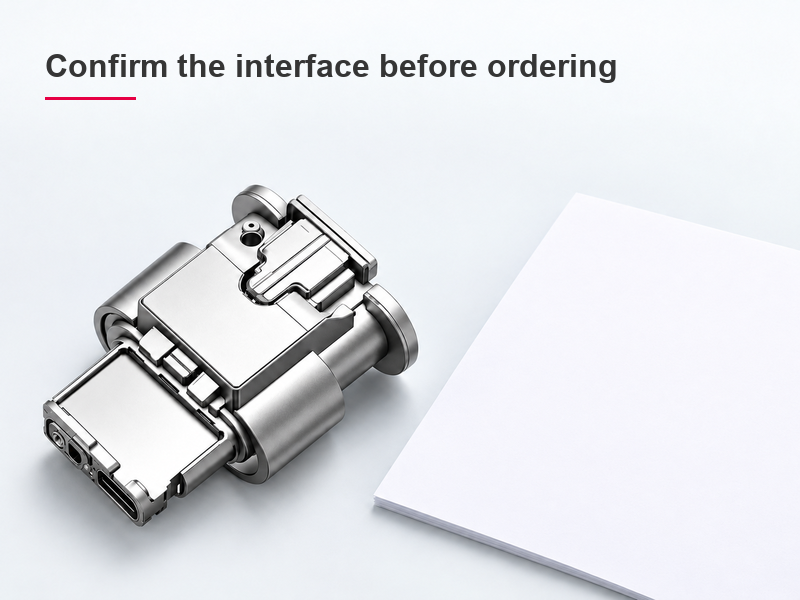
Ordering a “spade connector” can produce two different parts: a fork-shaped terminal for a screw connection, or a blade-style quick disconnect. That naming ambiguity matters before any discussion of wire gauge, insulation or crimping. A part that looks convenient during assembly may have the wrong retention method for the equipment, and a replacement selected by color may use a different conductor range. Buyers searching for electrical terminals spade connectors should therefore identify the mating interface first. This guide distinguishes the common meanings, explains how the termination process affects installation, and shows which details belong in the purchase order and maintenance procedure to prevent avoidable substitutions and damaged wires.
The short answer is to match the terminal to the equipment before matching it to the wire. A fork terminal is retained by an approved screw or stud arrangement; a blade disconnect mates with a specified tab or receptacle. Neither is interchangeable with every terminal block connector. Confirm the wire range, insulation dimensions, tool and application instructions for the chosen part. OSHA 29 CFR 1910.303 provides a relevant US workplace principle: terminals must be identified for the conductors and connection arrangement used. It does not prescribe a universal spade size or certify an automotive component. Request the mating drawing before ordering samples.
Is a spade connector a fork or a blade?
Both names occur in trade listings, so electrical terminals spade connectors is an insufficient purchase description by itself. Specify whether the connection uses a fork under a screw, a male blade or a female quick-disconnect receptacle. Add the equipment-side part number when it is known. The existing spade terminal connectors guide covers general selection; the installation question here is how that exact interface is retained and released.
| Interface | How it is retained | What must be checked |
|---|---|---|
| Fork terminal | Specified screw/stud clamping arrangement | Fork width, seating, hardware and tightening instructions |
| Blade disconnect | Specified tab/receptacle contact system | Tab geometry, receptacle family and retention instructions |
| Ring terminal connector | Closed ring around the specified fastener | Stud opening, seating area and service access |
| Terminal block connector | Its specified clamp or screw connection | Accepted wire preparation and conductor type |
A ring terminal connector remains captured around a stud until the fastening arrangement is disassembled. That geometric distinction does not make every ring joint suitable for vibration, nor does it establish the correct hardware stack. For electrical connectors crimp terminals, the wire attachment and equipment attachment must both be specified.
How should the wire be prepared and crimped?
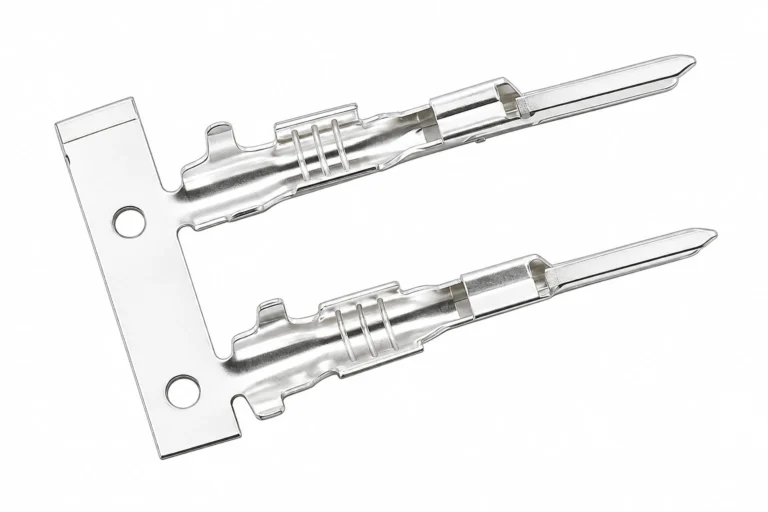
Use the selected terminal’s strip-length instruction, preserve the full conductor and keep insulation out of the conductor crimp area. The die must suit the barrel design and wire range. A color-coded jaw is not enough evidence that the tool is approved. Open-barrel contacts, insulated closed barrels and ferrules may require different forming profiles even when their nominal wire sizes overlap.
Check the first finished sample for conductor position, insulation support and the specified crimp dimensions. Use the required pull test and any additional process checks in the application specification. The overview of crimping and inspection explains the process; it supplies no universal acceptance force for the parts in this article. For electrical connectors crimp terminals, a repeatable setup is more useful than judging a joint solely by how hard the handles were squeezed.
What prevents loosening and corrosion after installation?
Follow the equipment’s fastening sequence and torque instruction. Do not invent a torque value from the terminal’s apparent size. Route the cable so movement does not continually load the connection. If the design calls for a particular locking feature, use that feature rather than relying on extra tightening. Stop and investigate a damaged thread or deformed seating surface.
Corrosion control starts with the actual environment and the materials of both mating surfaces. Insulation can protect against accidental contact without sealing a joint against water. Heat-shrink coverage also requires the correct product, installation method and environmental qualification. Do not assume a sleeve, grease or coating is acceptable unless the equipment or terminal manufacturer permits it.
| Observed issue | Check first | Practical action |
|---|---|---|
| Wire moves in barrel | Wire range and crimp setup | Replace and remake using the specified process |
| Connector loosens on equipment | Mating geometry and retention | Confirm the correct part and fastening instructions |
| Discoloration or deposits | Heating, moisture and contact surfaces | Find the cause before replacing damaged components |
| Insulation splits | Support size, tool position and routing | Correct the setup rather than hiding the damage |
How do you remove a terminal without damaging the wire?
First isolate the equipment and verify the condition required by its service procedure. In US workplace contexts, 29 CFR 1910.333 covers deenergization and related work practices. Release the specified fastening or locking feature, then handle the connector body or terminal as instructed. Pulling the wire can damage the crimp even if the connection eventually separates.
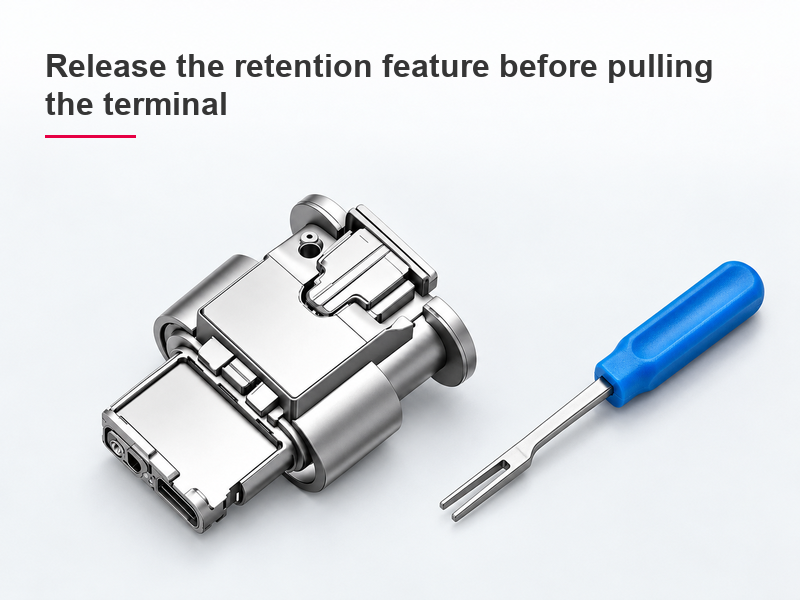
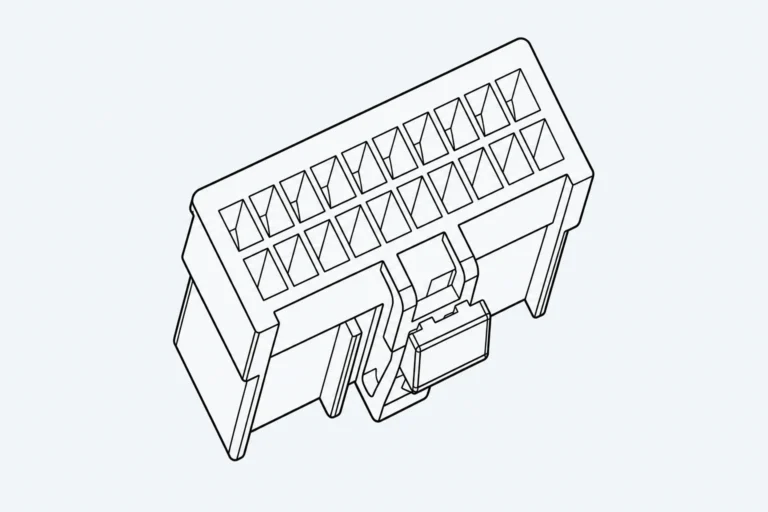
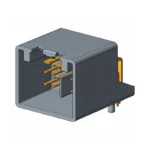
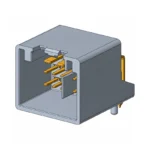
Before scaling up purchases, ask Wenzhou Shenji for the drawings that identify the intended system. The 1BK04-031221 connector listing is a connector-system reference, not evidence that a pictured housing is a fork terminal. Keep terminal, housing and mating-part numbers separate in the bill of materials.
A formal workmanship reference is NASA-STD-8739.4A, Change 4 (April 13, 2022), whose stated scope covers interconnecting cable and harness assemblies. Its NASA requirements apply only when the relevant programme or contract adopts them; they are not proof of automotive approval. Keep acceptance limits tied to the selected product and project.
Frequently asked questions
How do you prevent corrosion in a wire terminal?
Specify compatible contact materials and environmental protection, then follow the manufacturer’s assembly instructions. Replace damaged parts and correct moisture ingress or overheating instead of covering the symptoms.
What insulation options are available for wire terminals?
Options include uninsulated parts with separate protection, pre-insulated terminals and specified heat-shrink systems. Their temperature, mechanical and environmental limits depend on the exact product, not sleeve color alone.
How does terminal block connector change installation requirements?
The block determines whether it accepts bare stranded wire, solid wire, ferrules or a specific terminal. Check its strip length, conductor capacity and tightening or release instructions rather than assuming a fork belongs under every screw.
What is the safest way to remove a wire terminal?
Deenergize and verify according to the equipment and workplace procedure, then release the retention mechanism with the specified method. A crimped wire attachment is generally replaced rather than opened and reused.
References
- Wikipedia, “Crimp (joining),” electrical crimping overview; accessed October 26, 2026. Background only; not a product acceptance specification.
- OSHA, 29 CFR 1910.303, General, particularly conductor connections and equipment installation; current web text accessed October 26, 2026. US workplace scope.
- NASA-STD-8739.4A, Change 4, Workmanship Standard for Crimping, Interconnecting Cables, Harnesses, and Wiring; change dated April 13, 2022. NASA workmanship scope; not an automotive certification.
- Phoenix Contact, Terminal blocks, connection technologies and application overview; accessed October 26, 2026. Product-specific instructions take precedence.
Conclusion
Successful installation starts by resolving what “spade” means on the actual equipment. Choose the mating form first, then confirm the wire range, tooling and retention instructions. When comparing electrical terminals spade connectors with a ring terminal connector, account for service access and the fastening arrangement rather than treating one shape as universally better. For electrical connectors crimp terminals, do not skip first-sample inspection or replace the manufacturer’s tightening instruction with a guessed value. Wenzhou Shenji can support a component enquiry when the required terminal and mating interface are clearly identified. Use the automotive connector and terminal catalogue to locate candidates, then request the relevant drawings and confirm the complete installation before placing a production order.